

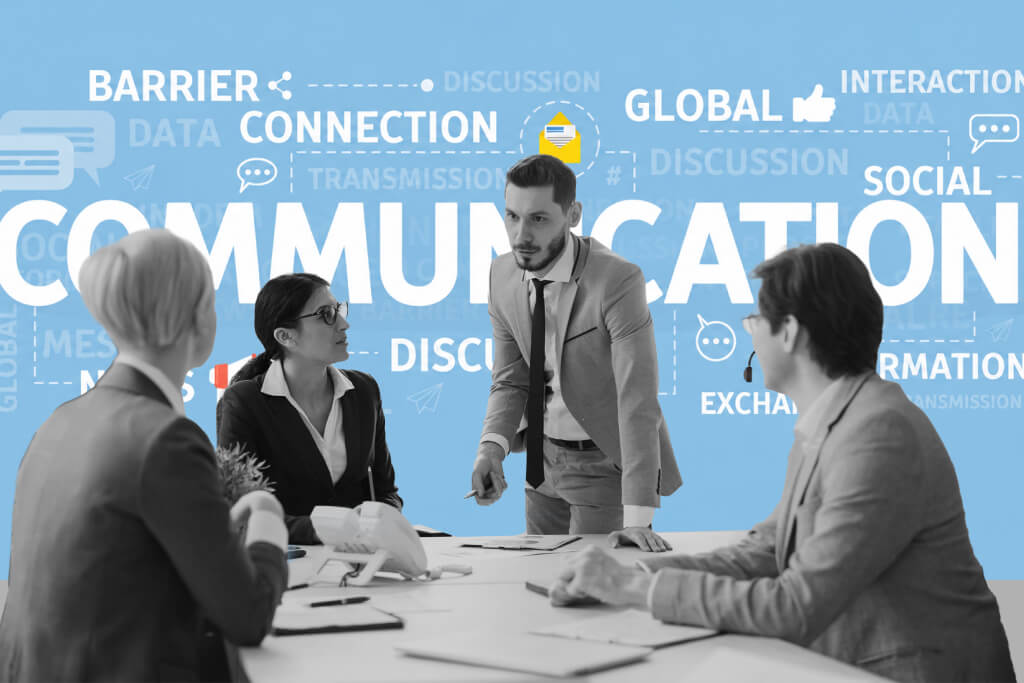


Your event communication strategy decides how your event is promoted, what people experience during the event, and how they talk about the event after attending it.
Jotting down a communication playbook will help with marketing your event. During the event, your playbook will help you provide a seamless experience to all the attendees and will allow you to encourage testimonials and collect feedback afterwards.
Read on to find out how you can develop your unique event communication strategy.
KEY TAKEAWAYS
- Learn how to build a pre-event communication timeline that converts prospects into happy attendees.
- Choose the right communication channels that help you engage all segments of your audience.
- Decide on what information needs to be shared before, during, and after your event.
- Utilize a mobile event app that helps you plan and arrange your event the right way.
- Customize your event comm plan to count for during the event and post-event communication.
- Understand how you can develop an event communication plan for virtual or hybrid events.
- Learn how to use event comm plans and checklists to ensure you don’t make any mistakes.
What Is Event Communication?
An effective event communication plan is the roadmap that allows you to keep all the information and planning organized for yourself and the audience. Think of it as a plan that you can refer to whenever you need to send out a message or do a task.
Having a plan is a must whether you’re going to host 20 people or 200 (and more).
Suppose you have an event planned on the 15th of the next month. In today’s world of information overload, you can’t bombard event messages and expect people to be engaged. Having a proper strategy will ensure you release key details of the event persuasively.
During the event, your communication strategy will also enable you to keep the audience hooked.
And post-event, you can send out clear messages that encourage people to share their experience and make it easier for you to collect feedback.
A report by Spiro revealed that happy attendees who received relevant post-event communication are 45% more likely to buy sponsored products; explaining why communication post-event is as important as communication before or during the event.
FOUNDER’S TAKE
"Most event teams treat communication like a checklist instead of the connective tissue that holds the whole experience together," says Hussain Fakhruddin, founder of Eventify. "The events that feel the most polished aren’t necessarily the ones with the biggest budgets. They’re the ones where every message, before, during, and after, tells the same story."
10 Major Benefits Of Event Comm
Your event comm plan is more than a “note to self” that can help you navigate through the event management process. Here’s how investing your time in developing a proper plan can make life easier for you as an event planner:
- Time Saver: Save the time spent on figuring out what to say and when to say it.
- Brand Consistency: Design your communication tone of voice to keep things “on brand.”
- Pre-Event Hype: Build anticipation and excitement before the event even begins.
- Concise Planning: Ensure all your activities during the event go as you plan them to be.
- Clear Communication: Make attendees always know what is happening, where, and when.
- Less Confusion: Reduce confusion, delays, and unnecessary questions during the event.
- Rich Engagement: Enable the audience to have a two-way experience of the event.
- Real-time Insights: Capture audience feedback, reactions, and insights while they are still engaged.
- Lifelong Engagement: Extend the value of the event beyond the day itself through continued engagement.
- Continuous Improvement: Use the feedback to improve your planning, activities, and lineups for future events.
These major benefits can help you save a lot of time and effort as an event planner and ensure you positively outshine the expectations of your audience.
Want a shortcut? See how Eventify automates event communication, from registration to post-event follow-up, in one platform.
Challenges Of Event Communications
Effective event comms require you to jump through some hoops. Here are the hiccups you’re bound to face when designing and implementing your event communication strategy to help you get prepared:
- Simplicity: Avoiding the information overload
- Selection: Choosing the right channels
- Consistency: Ensuring consistency of details
- Timeliness: Communicating last-minute changes
- Segmentation: Finding the right audience
- Branding: Keeping communication on brand
- Interaction: Maintaining two-way communication
- Personalization: Engaging all the attendees
- Cohesion: Avoiding internal communication lapses
- Reliability: Tackling the technical failures
- Tracking: Measuring communication effectiveness
- Replication: Transferring the momentum to the next event
You can overcome these challenges easily if you develop your event comms strategy. Read on to find your step-by-step guide on how you can build the event communication plan even if you’ve never created one before.
Building Your Pre-Event Communication Timeline
Effective pre-event communication can gradually move your audience from awareness to interest, commitment, and eventually to participation.
The principles stay the same whether you are organizing a large TED-style conference, a local community gathering, or a recurring group event.
You don’t have to adopt the “trial and error” approach to find out what strategy will suit you the best. Here are 5 steps that will help you save your time and effort and provide the best value to your audience. Pair this timeline with our pre-event checklist so nothing slips through the cracks:
1. Build Awareness
Early communication is the key to making your event worth consideration for your target audience.
Awareness-building methods differ depending on the type of event you’re going to hold. For a larger event, you will need to make announcements like your save-the-date announcement, lineup of the speakers, or the event place and time. But for local events, just dropping a text to your WhatsApp list or your socials might be enough.
Try out different announcement methods if you’re advertising your event for the first time, or go with the proven strategies if you’re hosting another chapter of a popular event.
2. Spark Interest
Remember the “What’s in it for me” mantra? Even if your awareness strategy works, people aren’t going to be super interested in your event unless you provide them with a reason to care.
Your job is making the event interesting for the people once you’re done with building awareness. Hold polls to get ideas on what people expect from the event, share lineups for them, and roll out teasers about event details so people look forward to the event.
3. Increase Attendance
Now that people know about your event and are interested in attending, it’s time to adopt strategies that can boost attendance. You can go with time-tested strategies like early-bird discounts to reward the people who register early and set a benchmark for event attendance, or use AI prompts for ticket sales to increase your attendance.
You can also go with brand collaborations to encourage more people to join your event. For free local events, dropping flyers in cafes or libraries can also do the trick.
4. Prepare Attendees
Registration is not the end of pre-event communication; it is the point at which communication becomes more important as you want people to “show up.” This is where you can bring automated workflows in the mix.
For example, using Eventify, you can send push notifications to the people who’ve signed up to your event. Share reminders before the event so people can schedule their routines accordingly and make time for your event.
5. Make the Final Push
In the final week leading up to the event, you don’t just have to keep reminding people about the event. Tell them instead about how and where to show up, what (if any) prerequisites to follow, and how to get the most out of the event.
As there’s no rule of thumb for when to send the final reminders, you should ideally be reminding your attendees one week and three days before the event to keep them aware of the event day.
Choosing the Right Event Communication Channels
When it comes to event communication, the channel with the most people doesn’t automatically become your only preference. Here’s how you can choose channels effectively based on your goals:
Send Info via Email
Emails are best used for sending official announcements. Use emails to send event details, lineups, and booking confirmations. With emails, your attendees can quickly refer to official information whenever they want.
Choose Socials for Building Hype
Socials allow you to spread the message to the masses and answer queries effectively. Ensure you use a branded design and communication identity for the event so people remember your event.
Build Urgency With Messaging Apps
Got quick announcements about your event? Go with messaging apps. You can rely on platforms like WhatsApp, Messenger, or SMS to communicate with your audience the fastest way and keep things lively. Steal a starting point from our free event WhatsApp message templates.
Use Your Website Effectively
People are going to visit your website to get event details, which is why you have to keep it updated. Ensure you publish all the important information on the website promptly and also make it reflect the design theme of your event. Here’s how to build your event website if you don’t have one already.
Go With a Central Hub
Using event management software can help you share and manage information effortlessly. For example, Eventify helps you to keep all the details in one place, allowing the attendees to stay updated on desktop or on the mobile app.
Important Details To Communicate Before The Event
Want to make your event experience unforgettable for the attendees? You have to ensure that people know about everything instead of making them ask you for the details. Here is what you must share with all the attendees:
Start With the Essentials
Following the “first things first” mantra, these are all the details every event attendee must know:
- Event name
- Date and day
- Start and end time
- Venue and address
- Registration or RSVP details, ideally tracked in your event registration software
- Ticket information, if applicable
Ensure that these details are shared at all least once on all the communication channels to ensure nobody misses these essentials.
Make Attendees Eager
Attendees must know what to expect by attending your events. Be clear about who is going to talk, what sort of event sessions/activities will be there, or what discussions will lead after the event. These details will give people reasons to look out for the event and hopefully also encourage people in their circle to attend.
Talk About the Rostrum
Hosts make your event hype-worthy for the attendees more than anything. They might forget about a small hiccup at the event, but they won’t forget at all if the event lineup doesn’t live up to their hopes. Make people aware who they will get to listen to and interact with at your event.
Share Venue Details
Event site information and accessibility are the most important details every attendee needs to know. Share clear details about event site location and accessibility. If you’re hosting a virtual event, then also talk about the virtual joining experience.
Talk About the Preliminaries
No attendee will like to be communicated with on the spot about what protocols to follow or what things not to do. Ensure you have a clear and adequate code of conduct along with the preliminaries so you can provide a seamless event experience.
Hype Up the Experience
Social channels can help you build hype around the event and make people eager to attend. If possible, collaborate with thought leaders or influencers in your niche to make more people interested in your event. For example, if you’re planning an outdoor event, you should build buzz around the venue and activities to build excitement.
Share the Emergency Details
What if something doesn’t go right at the event? In case of unforeseen circumstances, you need to have a team and an emergency plan to keep things under control and ensure the well-being of the participants. Share emergency contact details to ensure no mishap takes place.
Communicate Changes Timely
It’s your responsibility to communicate timely if something changes about the event at the last minute. Ensure such changes get shared with attendees so they don’t run into any problems before, during, or after the event.
Features To Look For In Mobile Event App For Event Comm
With all the discussion so far about event communication, a mobile event app is something that you must know about. Using such an app can allow you to execute your communication plan effectively and make your event a memorable experience for the attendees.
The data backs this up: Bizzabo’s 2026 State of Events report found that 55% of attendees say the event app can make or break their overall experience, and that events generate an average of 574 in-app messages, proof that attendees want to talk, not just receive one-way broadcasts.
Here’s what to look for in an events app:
- Push events across channels and devices
- Personalized event schedules
- Live polls and Q&A functionality
- In-App messaging features
- Networking and matchmaking for attendees
- Social feed and community features
- Detailed speaker profiles and slots
- Event navigation and guide features
- Surveys and attendee feedback features
- Event gamification with quizzes and leaderboards
- Custom branding features
- Event analytics
These features can help you better arrange your event and save yourself from mistakes that can cause embarrassment. Let’s now move on to how you should communicate with your attendees during the event to keep them hooked.
Ready to put this into practice? Book a free Eventify demo and see the mobile app, push notifications, and email tools working together.
Communication Plan During The Event
Your event comm plan doesn’t only allow you to build hype but also ensures you live up to the hype you build. Once the event starts, you can follow these tips to provide the best experience to attendees:
Welcome attendees properly
Start with a blast by giving all your attendees a warm welcome. Thank them for their participation, remind them about what the event is about and what to expect, and communicate the schedule.
Keep attendees oriented
Signage and app notifications can help you help the audience navigate the event at their own pace. With signage and the app, the attendees won’t have to come to you every time they need to go somewhere or switch between sessions during the event.
Make announcements timely
What if there’s anything that needs to be changed during the event? In case there’s a change to the lineup or any audience activity, you must share the details with the attendees instead of gatekeeping information. Have your attendees onboard so they don’t feel alienated.
Engage the audience effectively
Your audience shouldn’t be left wondering about what to expect next. Keep them updated before and during the session breaks and make announcements so they can plan their time during the event at their own pace.
Stay on the communication framework
People with access to the stage must be on the same page. Instead of having 3-4 people make announcements, it’s ideal to have one person dedicated to making the announcements. Doing so will make the audience remember the person making announcements and keep confusion low.
Capture all the moments
No moment in the event should go unnoticed. Communicate at the start of the event that your media team will be recording the proceedings. Ensure you don’t miss out on recording between the session breaks, as breaks allow you to capture the raw feedback of attendees.
Keep the communication two-way
Ensure you have a proper plan to get feedback from the audience. If it’s an event spanning more than a day, you must collect feedback at the end of the day via in-person, documented, or anonymous channels so you can act on the feedback in a timely manner and make changes that can enhance the event experience.
Post-Event Communication: Turning Attendees Into Repeat Guests
Crickets after the event day aren’t going to help you keep the audience engaged. Here are four simple strategies that can allow you to keep your audience in the loop and ensure they join your future events.
Share Key Highlights and Event Resources
Make people relive the event by sharing the key highlights. To make the sharing experience fun, you should share highlights that are share-worthy and can be easily posted on social channels. Also share event resources like slides and ebooks so the attendees can value from the conversations even after the event. Need a starting point? Browse our thank-you email templates for ready-to-use copy.
Here’s an example of thank-you email copy that you can use:
“Hi (Participant)
Thank you for joining our (event); hosting you was truly a pleasure. Please find attached the event highlights and resources from all the sessions. We look forward to hosting you in the next edition of the (event)!
Best
(Host)”
Follow Up While the Event Is Still Fresh
Regardless of how amazing the event was, if you don’t reach out to the people and ask about their experience in a timely manner, you are sure to miss out on important details. Reach out to the attendees of the event ideally within 24 hours after the event ends so they can share their feedback.
Segment Your Audience for Future Communication
Keep in mind that not all participants will attend the event from start to finish. Divide people into groups based on the time they spent in the event and then ask them for their feedback based on the activities they attended and participated in.
Measure Communication Performance
The best way to evaluate the feasibility of hosting events in the future is measuring the effectiveness of your post-event communication. If people share a lot of stories about your event on socials and engage with your posts after the event, you can gauge how to tackle events in the future. Running a structured post-mortem? These event debrief questions help you capture the right feedback from your team.
Event Communication for Virtual & Hybrid Events
Arranging virtual and hybrid events is significantly different from in-person events. To ensure you handle the communication effectively for virtual/hybrid events and keep your attendees engaged, follow these surefire tips:
- Start by communicating the event format clearly.
- Send relevant links like joining links and instructions in a timely manner.
- Use reminders that can help attendees navigate the event.
- Rely on an events app to keep all the information in one place.
- Pay special attention to participants joining in from remote areas.
- Assign a communication person to coordinate with virtual attendees.
- Create separate session-break activities for people joining online.
- Record all sessions that both in-person and virtual audiences watch later.
- Ensure you stay in touch with all participants after the event.
Event Communication Plan Template & Checklist
Running short on time and want to get all the information in one place? Here’s the Plan and Checklist you can copy and use for your own upcoming event:
Event Communication Plan Template
Write down your event objectives.
Define your target audience.
Develop your key message.
Set your Tone of Voice.
Chalk out your communication timeline.
Choose your communication channels.
Allocate your content tasks.
Finalize the event information.
Choose activities for your audience.
Plan out real-time audience communication.
Decide on a post-event communication strategy.
Measure the communication effectiveness.
Event Communication Checklist
Before the Event
Make the initial announcement
Share the registration details
Announce the speakers
Share the agenda
Send event reminders
Communicate logistics details
Drop the final event reminder
During the Event
Welcome the attendees
Make session reminders
Share real-time updates
Manage audience activities
Initiate networking activities
Gather feedback
After the Event
Send thank-you emails
Share highlights on socials
Gather feedback timely
Engage with speakers
Communicate upcoming events
Track communication performance
FAQs
What is an event communication plan?
An event communication plan is a documented strategy that maps out what you’ll communicate to attendees, sponsors, and staff before, during, and after your event, along with the channels and timing for each message. It keeps your messaging consistent and makes sure nothing important gets missed.
What should be included in an event communication plan?
At minimum, your plan should cover your target audience, key messages, communication channels, a timeline for pre-event and post-event messages, and a plan for real-time updates during the event itself.
How far in advance should you start event communication?
Most planners start building awareness 6 to 12 weeks before the event, depending on its size, then increase the frequency in the final week with reminders and logistics details.
What is the best channel for event communication?
There isn’t one best channel. Email works well for official announcements, social media builds hype, messaging apps handle urgent updates, and a dedicated event app keeps everything organized in one place for organizers and attendees alike.
How do you measure if your event communication worked?
Track engagement metrics like open and click rates, in-app activity, session attendance, and post-event survey responses. Comparing these against your event debrief questions helps you spot what to improve for next time.
Use Eventify Event Management Software For Better Event Communication
Developing an effective communication strategy is a huge challenge. But once you’re done with creating your comms plan, the next step is executing it all in the most efficient manner. Using Eventify can help you execute the comms strategy.
Eventify brings key event communication and engagement features into one place. With this one app, you can make your event come alive with proper communication.
You can use Eventify for crafting personalized schedules, sending push notifications, and hosting live polls and Q&A.
Put simply, Eventify can ensure you stay on brand while executing your comms strategy in the best possible manner.
Instead of treating pre-event, during-event, and post-event communication as separate activities, you can create a more connected attendee experience from a single platform to be able to offer a simpler communication for organizers and a more informed, interactive experience for attendees.
Book your Eventify demo today and unlock all the possibilities of holding a great event!
.png)


.png)


