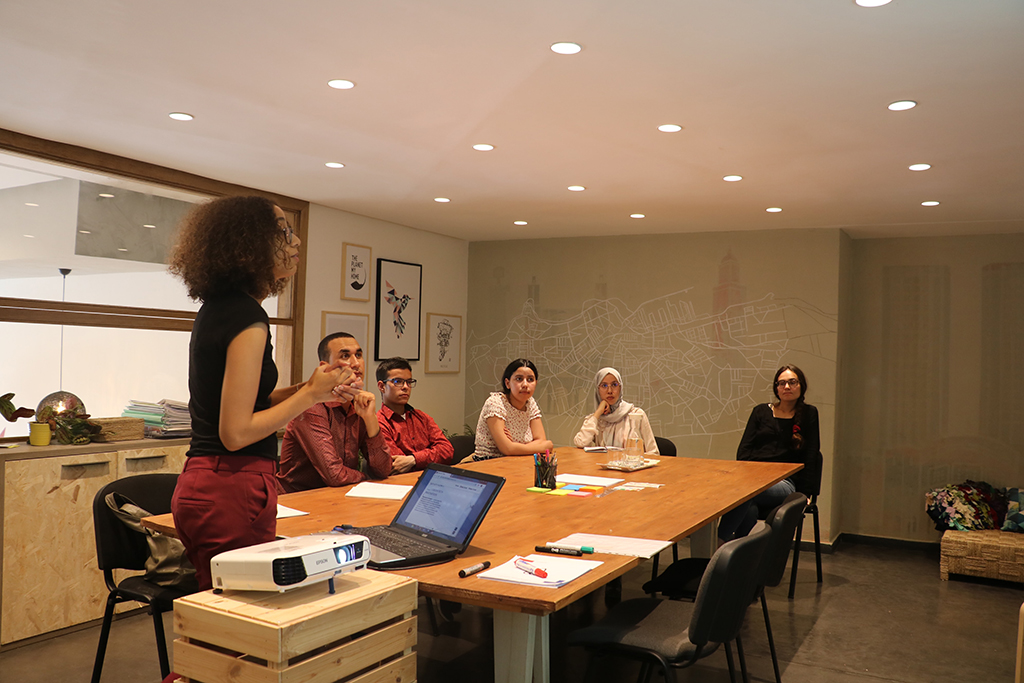


MICE stands for Meetings, Incentives, Conferences, and Exhibitions, the four core segments of the global business events industry. A MICE event covers any of these four formats, delivered in person, hybrid, or virtually, and brings professionals together for a specific business purpose rather than leisure travel.
The sector is a major economic driver. MICE gatherings fill venues, keep hotels and convention centers busy, and support transportation, catering, technology, and marketing industries around every host city.
"The MICE events that actually deliver ROI aren't the ones with the biggest budgets. They're the ones where someone defined a measurable objective before a single venue contract got signed." Hussain Fakhruddin, CEO, Eventify
This guide breaks down what each MICE category covers, how to plan one step by step, which technology actually matters, and where the industry is heading in 2026.
Key Takeaways
- MICE stands for Meetings, Incentives, Conferences, and Exhibitions; the core segments of the meetings and events industry.
- The MICE sector drives significant revenue for hotels, convention centers, host cities, and the broader local economy.
- Leveraging modern event technology is essential for seamless registration, check-in, event apps, networking, lead capture, and analytics.
- Hybrid and virtual formats are now integral parts of MICE events, expanding reach and enhancing attendee engagement.
The Four Types of MICE Events Explained
Understanding each MICE event type is critical for selecting the right venue, allocating budget, choosing technology, and structuring your event team.
Meetings
Meetings are most often a one-day event held in hotel conference rooms or convention centers, where teams talk through plans, resolve issues, and set goals, ranging from small executive briefings to large AGMs with hundreds of attendees. Organizers are usually corporate event teams, associations, or government bodies.
Expectations run high relative to the budget. You need reliable audiovisual setups, punctual catering, a precise agenda, and measurable outcomes, like which decisions got made or which action points carry forward.
What good looks like
- Pick venues with proven audiovisual dependability.
- Set catering timing so it doesn't interrupt the agenda.
- Give each agenda item a clear owner, and make it trackable afterward.
Warning: A board meeting delayed by 45 minutes due to late lunch service will be remembered longer than the meeting content itself.
Incentives
Incentives are travel rewards companies offer employees or partners to recognize performance, boost morale, and reinforce loyalty. They range from regional retreats to multi-country trips and are usually handled by HR teams, sales leaders, or destination management companies.
Success comes from emotional impact, not just the itinerary. That means tailoring the experience to participant profiles, since people respond differently, and tying the programme to specific goals rather than just "for attendance."
What good looks like
- Conduct thorough participant research before picking destinations.
- Secure exclusive local activities and elevated experiences.
- Keep everything consistent: flights, transfers, lodging, and overall service quality.
Pro tip: Selecting an out-of-town resort for an adventure-seeking group can undermine the incentive's effectiveness regardless of budget.
Conferences
Conferences are multi-day, large-scale events where professionals trade expertise, network, and discuss the most persistent problems in their industry, typically through keynote sessions, panel discussions, hands-on workshops, and informal networking. Associations, SaaS companies, and professional bodies commonly organize them for members, customers, media, and partners.
Operationally they're complex, since you're juggling meeting-level AV setups, incentive-level curated experiences, and exhibition-level logistics all at once.
What good looks like
- Develop multi-track agendas with buffer times.
- Manage speaker deadlines and conduct technical rehearsals.
- Design structured networking opportunities instead of relying on chance interactions.
A 200-person single-track conference requires one main room, whereas a 3,000-person tech summit demands concurrent sessions, sponsor areas, event apps, analytics, and robust online and onsite event management software used across the conference world.
Exhibitions and Trade Shows
Exhibitions, or trade shows, are large events where companies showcase products or services to a specific audience, often with networking moments built in. When they draw travel, they lift the host city through visitor spending and added visibility. Organizers have to balance what exhibitors want (good leads) against what visitors want (smooth, efficient discovery).
Many organizers now add leisure elements around the trade show to make the whole experience more memorable, even if it feels somewhat ancillary to the core business purpose.
What good looks like
- Avoid dead zones and bottlenecks on the exhibition floor.
- Provide a comprehensive exhibitor manual with deadlines and guidelines.
- Use pre-registration, badge printing, and digital lead capture at exhibitor stands.
Real-world example: A 2024 manufacturing expo with an L-shaped hall faced exhibitor complaints over an underutilized corner, resulting in refund claims.
See how event apps, lead capture, and registration work together across all four MICE formats.
How to Plan a MICE Event: Step-by-Step Guide
From intimate meetings to massive exhibitions, MICE event planning follows a consistent sequence. The scale and complexity increase with event size.
The 8-Step MICE Planning Process
Step 1
Define objective & metrics
Step 2
Set the budget
Step 3
Choose destination & venue
Step 4
Build the programme
Step 5
Select technology stack
Step 6
Manage suppliers
Step 7
Execute on event day
Step 8
Post-event ROI reporting
Step 1: Define the Event Objective and Success Metrics
Replace vague goals like "team building" with specific, measurable objectives such as "generate $5M in partner-sourced pipeline." Clear objectives guide format, budget, content, and technology choices.
What good looks like
- Set focused goals around lead generation, retention, education, or revenue.
- Identify 3–5 key performance indicators (KPIs).
- Use registration data and post-event surveys to measure outcomes.
Common mistake: Equating attendance numbers with event success instead of tracking meaningful engagement and business impact.
Step 2: Set and Structure the Budget
Budget management is a critical challenge, especially when resources are limited but expectations remain high.
For ConferencesFor Incentives40–50% venue and catering40–50% accommodation15–20% AV and technology25–30% experiences10–15% marketing15–20% flights and transfers10–15% speakers and content10% program management10% contingency10% contingency
What good looks like
- Develop detailed line-item budgets tied to objectives.
- Monitor budget progress regularly, especially near event launch.
- Maintain a minimum 10% contingency fund.
Common mistake: Omitting contingency planning, leading to overspending.
Step 3: Choose the Destination and Venue
Destination and venue choice shifts with event type. Incentives lean on emotional pull; conferences lean on logistical ease and breakout spaces; exhibitions need solid infrastructure above all else.
For large gatherings, verify electrical capacity, floor load, ceiling height, and loading dock access before judging the look and feel.
What good looks like
- Shortlist destinations based on attendee origin and preferences.
- Conduct in-person site visits and logistics walkthroughs.
- Verify visa requirements, transport options, Wi-Fi, AV capabilities, signage, and sustainability credentials.
Common mistake: Selecting venues solely based on photos or sales presentations without on-site evaluation.
Step 4: Build the Event Programme and Content
Design programs backward from desired outcomes. Meetings focus on decision-making; incentives balance structured activities with downtime; conferences require multiple tracks; exhibitions need theaters and traffic management.
What good looks like
- Align each session with specific objectives.
- Include transition buffers to prevent delays.
- Integrate interactive elements for both in-person and remote attendees.
Common mistake: Scheduling sessions back-to-back without breaks, causing cascading overruns.
Step 5: Select and Manage Your Technology Stack
Effective MICE event management needs integrated technology, not a set of disconnected tools. Logistical coordination is smoother when one event management software platform centralizes operations and pushes real-time updates without constant screen-switching. The essentials cover registration, ticketing, check-in, badge printing, an event app, business matchmaking, live polls, Q&As, hybrid delivery, and analytics.
What good looks like
- Test all technology workflows at expected volumes.
- Ensure exhibitor lead capture integrates with event databases.
- Give hybrid and virtual events extra attention, since remote attendees are often less immersed than in-person participants.
In practice: Eventify centralizes all these tools within a single platform for seamless management.
Common mistake: Using disconnected systems that cause data errors and manual reconciliation.
See what a unified MICE technology stack costs for your event size.
Step 6: Manage Suppliers and Vendors
Key suppliers include venues, hotels, destination management companies (DMCs), AV providers, caterers, transport, security, décor, stand builders, and streaming services. DMCs are critical for local problem-solving.
What good looks like
- Define clear scopes of work and service level agreements (SLAs).
- Maintain a unified production schedule shared across teams.
- Document sustainability, waste reduction, and local sourcing expectations.
Common mistake: Relying on verbal or email agreements without formal contracts.
Step 7: Execute on Event Day
Event day management focuses on escalation and oversight rather than task execution. Coordination is vital, especially for large venues and international attendees.
What good looks like
- Establish an operations command center with run sheets and communication tools.
- Monitor real-time dashboards for check-in and room capacity.
- Treat exhibition build-up and breakdown with equal operational rigor.
Common mistake: Last-minute volunteer briefings or signage creation during attendee arrival.
Step 8: Post-Event Evaluation and ROI Reporting
Post-event analysis validates value and secures future budgets. Deliver attendee surveys, exhibitor reports, pipeline analytics, media summaries, sustainability metrics, and financial reconciliation.
What good looks like
- Distribute surveys within 24 hours post-event.
- Consolidate data from registration, apps, attendance, and lead capture.
- Share actionable insights and planned improvements with stakeholders.
In practice: Eventify analytics simplifies data centralization to accelerate ROI reporting.
Common mistake: Archiving feedback without implementing changes.
MICE Event Technology: What Tools Do You Actually Need?
Technology should align with event phases: planning and execution.
Technology for MICE Event Planning
- Registration and ticketing platforms: Automate attendee data collection and payments; without them, check-in slows.
- RFP (Request for Proposal) tools: Streamline venue and supplier comparisons; email-only sourcing causes confusion.
- Room block management: Handles hotel allocations; without it, costs escalate.
- Diagramming software: Ensures safe, efficient layouts; guesswork risks safety and flow.
- Project management tools: Coordinate tasks across teams; a large event cannot run from a single inbox.
- Budget tracking software: Monitors forecast versus actual spend.
Technology During the MICE Event
- QR code check-in and badge printing: Reduce queues and provide live attendance data.
- Session management tools: Prevent overcrowding.
- Audience polling and live Q&A: Engage attendees, especially remote participants.
- Networking apps: Facilitate meaningful connections through event networking tools.
- Exhibitor lead capture: Replaces manual business card collection through a lead retrieval app.
- Real-time dashboards and post-event surveys: Enable responsive management and continuous improvement.
MICE Industry Trends in 2026
The global MICE market reflects current trends in the industry in 2026: it was valued at approximately $870 billion in 2024 and is projected to reach $1.466 trillion by 2030, growing at a CAGR of 9.2%. Business events generated $1.3 trillion in direct global spending in 2025, according to the Events Industry Council and Oxford Economics.
Sustainability Is Now a Procurement Criterion
Sustainability has shifted from a buzzword to a fundamental requirement in MICE event procurement. Clients increasingly demand eco-friendly practices as part of the Request for Proposal (RFP) process, including paperless registration, locally sourced catering, waste reduction strategies, and carbon tracking. Planners who can demonstrate a proven track record in sustainable practices gain a real competitive advantage when bidding on contracts.
Hybrid Is the Default, Not the Option
The pandemic accelerated hybrid adoption to the point where it's now the standard rather than an optional add-on. Modern MICE events must integrate virtual audiences seamlessly alongside in-person attendees, which means budgeting for high-quality livestream production, on-demand content libraries, virtual exhibitor booths, and digital networking platforms that give remote participants equal value.
Personalisation at Scale Using AI
AI-driven algorithms now analyze attendee data to recommend sessions, networking matches, and post-event content suited to individual preferences. This enhances satisfaction and retention by making the experience feel relevant, while giving organizers actionable insight into attendee behavior they can act on during the event itself.
Experiential Incentives Replacing Traditional Reward Travel
Younger generations increasingly prioritize meaningful, authentic experiences over traditional luxury accommodations. Modern incentive programs lean toward conservation projects, cultural immersions, adventure sports, and community engagement, which requires deeper participant profiling to match destinations and activities to what actually motivates the group.
Unconventional Venues Replacing Hotel Conference Rooms
Museums, art galleries, warehouses, studios, and outdoor spaces are increasingly replacing traditional conference halls. These venues offer unique atmospheres that reinforce event themes, but they also bring complex logistical challenges around AV setups, catering, and access and safety planning that a standard venue wouldn't require.
Data Ownership and Privacy Becoming a Compliance Issue
With registration, check-in, networking, and lead capture all collecting personal data, regulations like GDPR and CCPA impose strict requirements on how that data is processed and shared. Event organizers need clear data processing agreements and consent mechanisms in place on every platform before going live.
This section discusses regulatory frameworks (GDPR, CCPA) for general awareness only. It is not legal advice. Consult a qualified privacy attorney or compliance officer before finalizing data handling policies for your event.
Benefits of MICE Events
MICE events drive revenue, knowledge sharing, partnerships, economic impact, and business development through deal-making, strategic alliances, and industry visibility. Host destinations gain tourism, job creation, and international exposure as attendees often extend stays for leisure.
Enhanced Networking
Face-to-face interaction at MICE events fosters trust and leads to sales conversations and joint ventures that rarely happen through digital channels alone.
Targeted Lead Generation
A concentrated audience of decision-makers lets exhibitors and sponsors accelerate the sales funnel with higher conversion rates.
Accelerated Knowledge Transfer
Conferences and meetings serve as platforms for sharing research, trends, and best practices that help organizations stay competitive.
Improved Motivation
Incentive events reward performance and build appreciation, often translating into productivity and lower turnover.
Increased ROI for Hotels and Convention Centers
Room bookings, catering, and event services generate substantial hospitality revenue, and recurring MICE events provide a steady, plannable income stream.
Organize Your MICE Events With Perfection Using Eventify
Eventify is an all-in-one B2B SaaS event management platform tailored for complex business events, from intimate meetings of 500 to large conferences and exhibitions with 50,000+ attendees.
Use Eventify for seamless registration and ticketing, efficient attendee check-in and badge printing, interactive mobile and web event apps, intelligent networking and matchmaking, live polls, Q&A and hybrid delivery, and exhibitor lead capture with real-time analytics.
Instead of juggling disconnected tools, Eventify centralizes event planning, execution, and analysis, helping you prove ROI to sponsors, exhibitors, and stakeholders effortlessly.
Organize Your Next MICE Event With Eventify
Book a demo or start a free trial today to experience streamlined MICE event management.
Frequently Asked Questions
What is a MICE event?
A MICE event is a business gathering focused on Meetings, Incentives, Conferences, and Exhibitions designed to facilitate networking, knowledge sharing, product showcasing, and performance rewards.
Who typically participates in MICE events?
Participants include business professionals, industry experts, corporate employees, partners, sponsors, and sometimes the public, depending on event type.
Why are MICE events important for the economy?
MICE events generate significant economic impact by driving tourism, supporting hospitality, transportation, and local services. Business visitors spend approximately three times more than leisure tourists.
How has technology changed MICE event planning?
Integrated technology enables streamlined registration, check-in, networking, live polling, and analytics. Hybrid and virtual formats have expanded audience reach and engagement.
What challenges do planners face in MICE events?
Budget constraints, complex logistics, attendee engagement especially in hybrid settings, and environmental impact are key challenges. Effective planning and technology use help overcome these.
How can I get involved in MICE events?
You can participate as an attendee, exhibitor, sponsor, or event organizer. Careers in hospitality, event management, and destination services provide entry points into the MICE industry.
.png)