

Even though ChatGPT can sometimes offer surprisingly good cafes to try or create a practical diet plan to drop a few pounds in a couple of months, it is not as straightforward to use your favorite AI chatbot for event planning. Mainly because event planning is an amalgamation of multiple domains.
But that, in no way, means AI has not proven worthwhile in the event management domain. In fact, according to PCMA research cited by Event Tech Live, 91% of business events professionals now use AI in some form. If you set forth with a defined workflow, choose task-specific AI tools, and iterate enough, integrating AI in events can expedite the process and help automate mundane tasks that would have otherwise taken hours.
But how exactly can you put event AI to work? The following guide can nudge you in the right direction and help you fully harness the power of AI for making your next event a huge success.
Key Takeaways
- Utilize AI for eliminating hesitation and busywork to streamline your planning.
- Assign tasks to specialized AI models instead of choosing one chatbot and over-relying on it.
- Decide which tasks are highly sensitive and are better handled without any help from AI models.
- Utilize AI tools to provide superior personalization with superior matchmaking and translations.
- Strengthen your marketing campaigns with AI in your toolkit to handle tasks like content creation.
- Manage hybrid and virtual events better by embedding AI in your event planning activities.
- Identify where to draw the line and avoid the use of AI to avoid ethical and legal problems.
What Is AI in Events? How It Compares to Traditional Event Planning
AI is remarkably good at refining data, streamlining tasks, and executing plans, powers that any event planner from the 1970s (or the 2010s for that matter) lacked.
Using AI can help you eliminate hesitation and help you utilize your energy for tasks that matter the most. No more meticulously polishing your invitation card and forgetting about tasks like supplier management or attendee engagement.
"Today's models bring an actual understanding of the context and nuance of an interaction" rather than simply calculating probable next words, which is exactly why AI in events now goes well beyond basic automation.
– Marius Milcher, VP of Platform Strategy and AI at RainFocus, via Event Tech Live
14 Benefits of Using AI in Events
AI can allow you to solve nearly all the problems you will face before, during, and after your event. Here's the breakdown of 14 major benefits you can reap by choosing AI systematically.
Build your event brandbook
You can use AI for building an event brandbook. This "branding bible" will become your creative resource hub that can help you keep all your events consistent with your overall brand identity.
Specific AI tools for branding a brandbook like Pencil, ImagineArt, or Looka can simplify the process of building your event brandbook. Use any of these tools instead of building a simple branding deck with your favorite AI chatbot so you can build a memorable and resonating brand identity.
Draft strategy
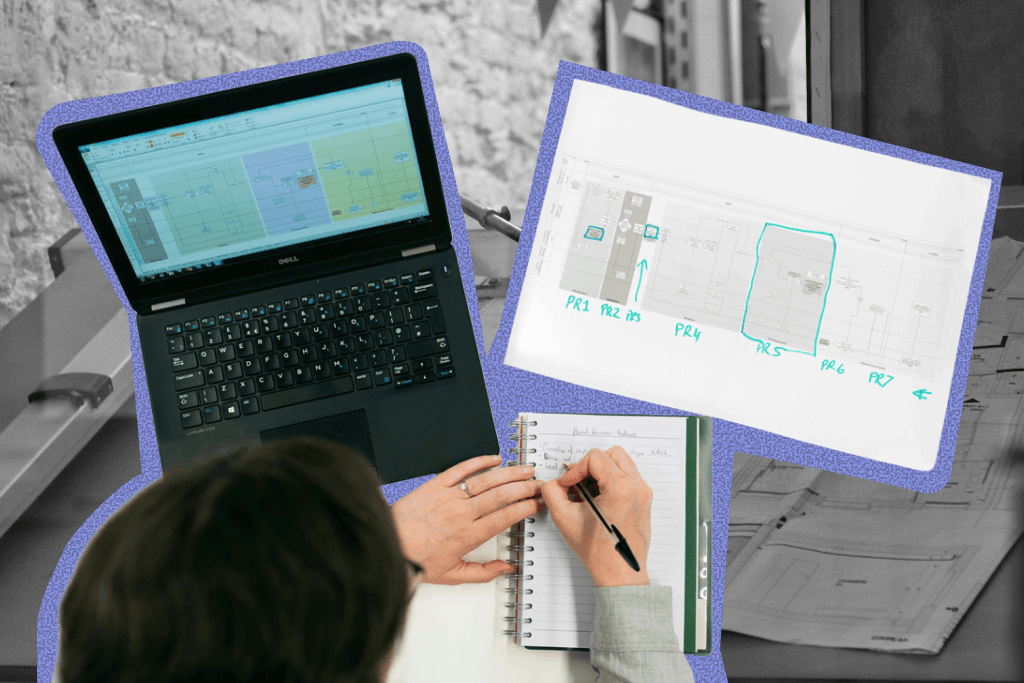
AI can help you create your event strategy from scratch. To simplify the task, you can start with your version so you can ensure AI builds on top of what you want instead of relying on "guesswork" of AI models.
Claude skills can help you with drafting and help you find untapped ideas effortlessly. You can use Claude skills listed in this directory to get ideas and feedback from a strategic management angle. If you need a faster starting point, these AI prompts for conference planning can help you draft a usable outline in minutes. Don't skip due diligence while drafting to ensure accuracy.
Adopt sustainability
You can keep waste to a minimum and make environment-conscious choices when hosting your event with AI. To materialize sustainable event planning with checks like comparing suppliers or measuring your carbon footprint, you can use tools like IBM Envizi, Microsoft Sustainability Manager, and Pulsora to name a few.
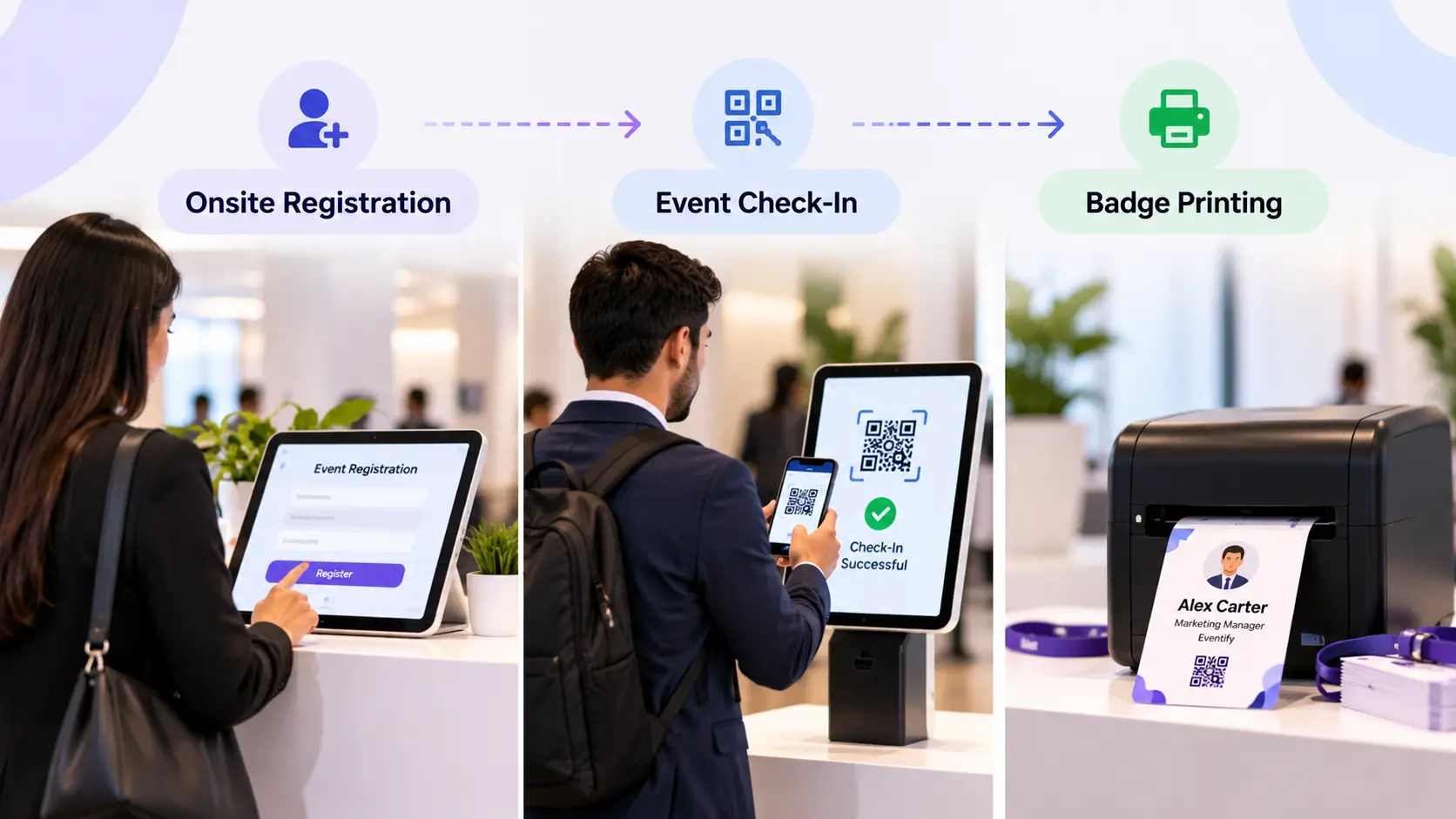
Simplify registration
Too many or irrelevant registration checks can discourage participants from signing up for your event.
Using AI can help you review the registration from a simplicity point of view. AI models can provide you with suggestions on how to visually and logically simplify the registration. You can also benefit from event registration software that is built around providing ease to registrants.
Boost signups
AI can also perform checks on the credentials of registrants faster than human review to increase the number of attendees.
For example, you can build your in-house AI model using Claude to check registrant data and see if their information is accurate. In case of any lacking information, you can send emails using MailChimp's Claude MCP integration to politely ask the attendees to provide missing data, resulting in less friction and more signups.
Enhance segmentation
Having no audience segments at all or making poor segments can take the fun out of your event. For example, you can use Gemini to take the redundancy out of attendee segmentation and help you create better groups of attendees based on their interests. Using AI can also help you create activities and experiences that will keep all the groups engaged.
Boost personalization
Personalization is the key to making any event engaging and memorable, but it is easier said than done. Using AI can make personalization feel like a breeze. For example, you can use AI matchmaking features of the Eventify app to make everyone feel connected to the main theme of the event.
Create agendas
Poor or no agendas whatsoever can make the event boring for attendees. With AI in place, you can easily create agendas for segments and plan your event based on their interests.
Gamma, Pitch, and Beautiful AI are some of the tools that can also polish agendas and keep them on-brand so attendees enjoy and also remember the event specifics, helpful in exceeding the expectations of attendees.
Engage attendees
Audience engagement gets easier when you use AI properly. You can simplify content creation and develop personalized activities using tools like Higgsfield or Google Pics to keep the attendees engaged. Relying on AI predictions, good experiences will also encourage attendees to leave positive reviews after the event.
Enhance support
AI chatbots trained on your event brandbook can provide better support to attendees before, during, or after the event. Using your custom-built chatbot with RAG techniques can enable attendees to ask questions easily about agendas, activities of the event, or changes to the event schedule without having to wait for a person to respond.
Amplify marketing
AI is a pro when it comes to marketing. From defining audience groups to creating marketing content and amplifying content through marketing channels, AI-powered tools like Hubspot, Higgsfield, and MailChimp can simplify each step and amplify the results you get. Ensure you let AI build on top of your creativity instead of relying on it to make decisions from scratch.
Build automations
Use of AI agents can help you build helpful automations that will simplify your event management experience. For example, you can create an AI agent using Claude or build an n8n workflow that sends personalized post-event emails to attendees based on the activities they participated in and how they navigated through the event.
Track analytics
Finding relevant information from data gathered during your event can be as difficult as finding a needle in a haystack. But the use of AI can make analytics tracking a breeze. You can feed all data streams to a single platform such as Power BI or Data Studio that can help you break data down into useful insights required for future events.
Prepare for the future
AI doesn't become redundant at the end of the event. You can find areas where you excelled and where you lacked as an event organizer by feeding your event KPIs and attendee responses to Claude data skills that can convert raw numbers to meaningful insights.
The useful data you get can enable you to better prepare for aspects like budget planning and audience engagement to make every new chapter of your event exceed your expectations.
Examples of AI in Event Technology for Hybrid and Virtual Events
Hybrid or virtual events are more nuanced than in-person events. Given the nature of endless distractions on screens, you have to ensure that attendees stay engaged during the event and don't feel left out.
AI can help you craft personalized experiences for all attendees to boost their event experience. Real-world examples of AI in event technology include using Eventify's AI-powered meetings and matchmaking tools, providing real-time translation and transcription using Google Antigravity, and automating content creation using Google AI Studio to make your event memorable.
AI can also help you enhance the post-event experience. For example, after the event, you can use recommendations based on the activities attendees enjoyed. If possible, you can also create AI-driven leaderboards to reward attendees based on the activities they interacted with.
Eventify AI Co-pilot Transforms Conference ExperienceChallengeA leading healthcare association wanted to modernize their annual conference experience for medical professionals. Previous events struggled with attendee navigation, session discovery, and meaningful networking opportunities. SolutionEventify AI Co-pilot was adopted to create an intelligent, personalized conference experience. The AI assistant integrated seamlessly with Eventify's Event App requiring zero additional configuration from organizers or attendees. Key features deployed:
ResultsOperational efficiency: a 40% reduction in support queries to event staff across 300+ events, freeing the event team to focus on high-value activities instead of routine inquiries. Enhanced attendee experience: personalized assistance throughout the event, faster navigation and session discovery, and valuable networking through interest-based matchmaking. Sponsor engagement: more qualified interactions, better brand visibility, and improved ROI through targeted connections. |
Event Marketing with AI
Marketing done wrong will waste all your event planning effort. This is how you can get the most out of your event marketing campaigns and get the most ROI on every single dollar you spend on marketing:
1. Event registration strategy
AI can take the guesswork out of your event registration processes. You can estimate the number of people that will sign up, make changes to your signup strategy, or utilize sign-up data to make changes to event specifics as per the developing needs of your audience.
2. Event email campaign
Email marketing can get easier and more effective if you use AI properly. Start with tools like Instantly that use AI for warming up your email outboxes to boost email deliverability.
Draft personalized email copies like invitation emails with AI, develop drip campaigns, and set auto-replies to common questions asked over email with tools like Klayvio or Brevo. Feed your email marketing results to tools like Power BI to track email marketing statistics and effectiveness.
3. Event social media strategy
Social listening, content creation, social posting, and tracking statistics can all be done seamlessly with AI. Start by feeding your event brandbook to tools like Canva or Gamma so you get on-brand content. Feed audience engagement data from posts to ChatGPT or Claude so you can evaluate content properly and better engage your event audience.
4. Moment planning
Crafting the key moments of your event and delivering the right moments on time is a tough job that can be made easier using AI. You can feed your event plan and your event brandbook to tools such as Google Pics, Higgsfield, or Pencil and get actionable suggestions for your event. Being vigilant with moment planning with AI will ensure you engage your audience the right way.
Boost Sales with AI Sales Assistants
Encouraging your attendees to make purchases can help you make profits and also make the event memorable for the participants. You don't need a pushy sales strategy to boost sales.
With tools like Regie.ai, HubSpot Sales Hub AI, or Zoominfo SalesOS, you can make shopping a fun and rewarding experience for your attendees. Ensure you carefully segment your attendees so you can only target people who'll be interested in purchases.
Where Not to Use AI in Events
AI will never replace human due diligence and creativity. Letting AI handle every aspect of your event and distancing yourself from planning or refining can only cause problems. These are the six areas where you need to be careful when relying on AI suggestions.
1. The human connection
Don't overestimate AI capabilities when it comes to making decisions that directly affect attendee experience. For example, instead of taking feedback from AI on your content briefs, get them reviewed by either your inner circle or past participants of your events. Take human feedback to spot the subtle nuances that can make or break attendee experience.
2. The supplier collaboration
Choosing suppliers based on data or AI feedback alone can be a fatal mistake. It can be tempting to let an AI agent explore websites of suppliers to autofill forms and compare quotes. However, unless you discuss the event details with suppliers yourself, you shouldn't make decisions solely on AI suggestions.
3. The data protection
AI is susceptible to leaking sensitive data one way or the other. A data breach can also cause legal penalties and provide information to competitors that you would rather keep to yourself. Avoid giving AI unwarranted access to your data pipelines. If possible, utilize tools like Eventify that are ISO 27001 Certified to minimize data breach risks.
4. The ethical aspect
When directed to maximize profits and keep costs low, AI can make decisions that can be ethically (or legally) questionable. The astounding power of replication enables AI to learn from sources, and hallucinations can even trigger models to fully neglect IP owners. Ensure you have a proper way to credit sources and involved parties.
5. The risk management
Compliance and risk management require meticulous care. From reviewing event venue safety to ensuring data safety rules, you need to double-check everything yourself to ensure you don't run into problems. Utilize frameworks like OSHA guidelines and GDPR guidelines so you can turn compliance and risk checks into checklists and avoid problems.
6. The due diligence
Planning an event can go horribly wrong if you let AI handle the due diligence. Before you push out anything created from AI or let AI make changes or announcements on your behalf, ensure you check the decisions taken by AI yourself. Spending some time on review will save you from issues that can even ruin your event.
"The events that get AI right are the ones that use it to remove busywork, not judgment. Automate the checklist, not the decision that affects how a guest feels in the room."
– Hussain Fakhruddin, Founder of Eventify
"AI is the new electricity."
– Andrew Ng, Co-founder of Google Brain and Coursera, via UC Berkeley EECS
Get Eventify to Enjoy AI-Powered Event Management
You don't need to be a pro at using AI or hand it the keys to fully utilize its power. Once you're done defining the entire workflow of your event, leveraging AI can help you save time and automate tasks.
If you're ready to bring AI into your event management mix, Eventify is an intuitive option that can help you get started.
FAQs
How can AI enhance my event experience?
AI enhances your event experience by handling personalization, matchmaking, translation, and support at a scale no human team can match on its own. It works best when it is layered onto a defined workflow rather than used to replace planning altogether, since the strongest results still come from a human deciding what "good" looks like for that specific event.
What are some examples of AI in event technology?
Common examples of AI in event technology include AI-powered attendee matchmaking, real-time translation and transcription, chatbots trained on event FAQs, automated segmentation, AI-generated agendas and marketing content, and post-event analytics tools that turn raw engagement data into insights.
Is AI going to replace event planners?
No. AI is best used to remove busywork such as data entry, segmentation, and first-draft content, freeing planners to focus on supplier relationships, on-site judgment calls, and the creative decisions that shape attendee experience. The planning, ethics, and risk management areas covered above are still best handled by people.
How widespread is AI use in the events industry right now?
AI adoption in the events industry has moved quickly. According to PCMA research cited by Event Tech Live, 91% of business events professionals now use AI in some form, spanning tasks from marketing and registration to on-site engagement and post-event reporting.
What is the easiest way to start using AI in events?
Start with one well-defined, low-risk task, such as drafting email copy, summarizing feedback, or segmenting your audience, rather than trying to automate your entire event at once. Pick task-specific tools for each job instead of relying on a single chatbot, and keep a human reviewing anything customer-facing before it goes out.
.png)