
The marketing world has faced incredible saturation, especially in the past few years. Brands struggle to stand out and create genuine connections with their audience. To regain the stage, brands have adopted a new form of event format:
Experiential events: immersive, interactive, events that help brands create lasting emotional connections with their target audience.
Regardless of the product or service you want to promote, experiential events can transform ordinary campaigns into memorable brand stories.
In this guide, we’ll break down what experiential events are, their core components, and proven strategies to plan, execute, and measure them successfully so you can turn every event into a decisive storytelling moment.
Understanding Experiential Events
Experiential events involve two-way interaction. They are immersive, interactive events where attendees aren’t just passive observers. Instead, they participate in the brand’s story and come back with a genuine connection and a lasting impact.
Unlike traditional conferences or trade shows, experiential events encourage active involvement, engage multiple senses, and shift the audience from being passive observers to active participants.
To put it all together, experiential events transform brand messaging into lived moments, fostering emotional connections, generating word-of-mouth buzz, and cultivating deeper loyalty.
Core Components of Experiential Events
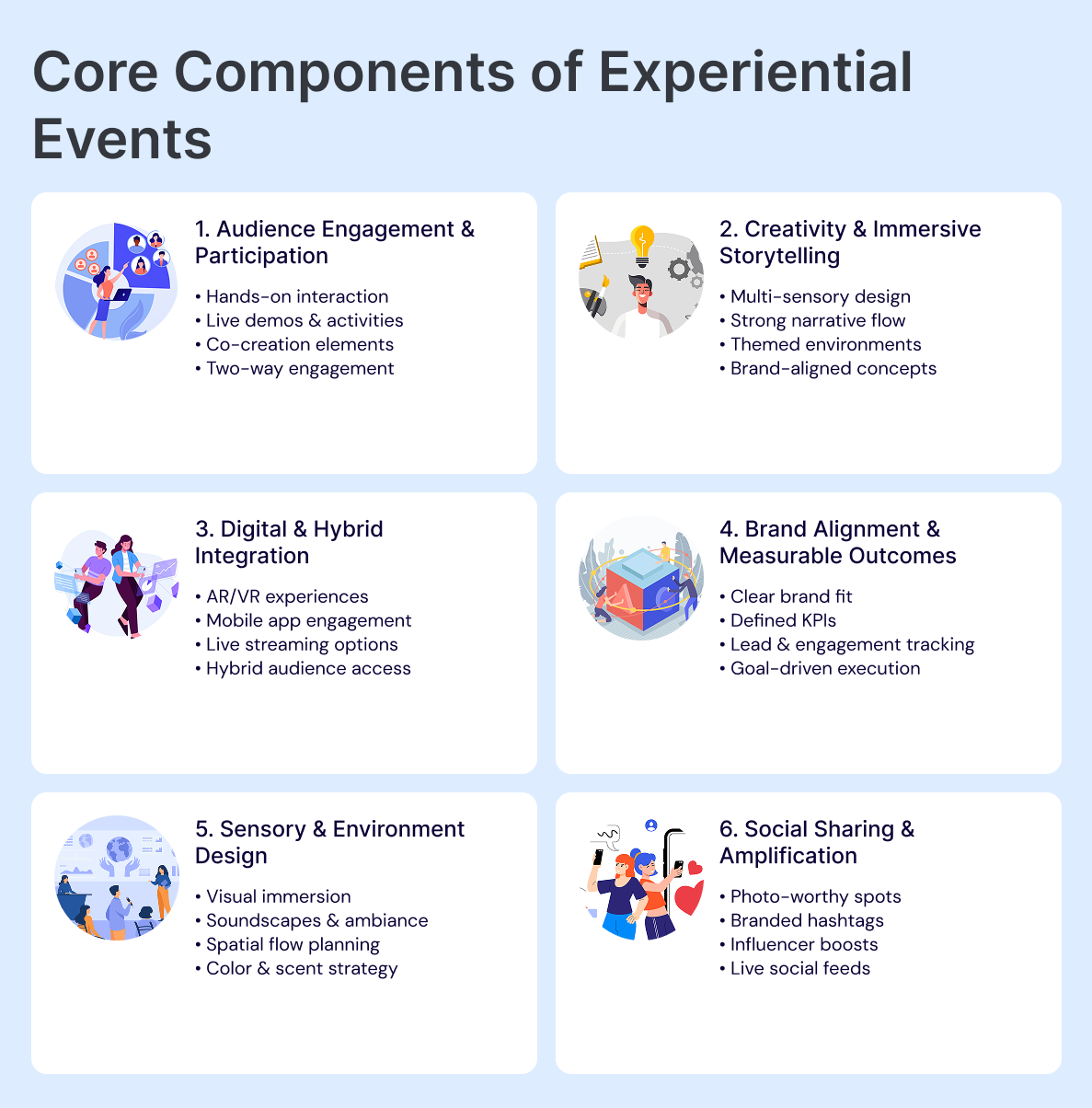
Every successful experiential event is built on a few core pillars that shape how audiences connect and respond to it.
1. Audience Engagement & Participation
.jpg)
Active engagement from attendees is a significant component that makes up experiential events. For example, brands can host events where visitors can touch, try, or co-create the product. Brands can also utilize interactive elements, such as live demos, attendee tasks, and immersive walkthroughs, to facilitate a two-way interaction.
Research on experiential marketing highlights that consumer behavior is driven not only by features but also by sensations and emotions, allowing the audience to engage with the experience rather than just observe it.
2. Creativity & Immersive Storytelling
Another key component that helps turn brand stories into memorable environments is through creativity, multi-sensory design, and narrative. For example, you can create a themed installation where lights, sounds, and visuals combine to provide attendees with an unforgettable experience.
To make the event even more remarkable, brand owners can align creative concepts with their brand values and use contrast to highlight differences, thereby reinforcing why this matters, as opposed to traditional marketing.
3. Digital & Hybrid Integration
Modern experiential events extend beyond the physical space. They utilize digital tools such as AR, VR, mobile apps, and streaming services to amplify reach and engagement. An example is that of hybrid events, where onsite attendees can enjoy live installations, while remote attendees can engage via virtual reality or other interactive platforms.
These approaches help bridge the gap between physical and virtual experiences, ensuring that all audiences feel included.
4. Brand Alignment & Measurable Outcomes
For an experiential event to succeed, it must align with the brand's mission, audience personas, and business goals. Additionally, it should also include measurable outcomes, such as engagement, leads, and sentiments, to assess the success it has achieved. You can also setup a creative custom event website to just give the glimpse of your event and check the interest of the audience.
An example includes a brand holding a customer-community event solely to boost retention rates rather than generate awareness. A wise step is to define KPIs, such as social shares or leads collected, and select a tool to track them.
5. Sensory & Environment Design
Successful experiential events activate multiple senses, including sight, sound, scent, and touch, to evoke emotion. An example includes fashion brands using ambient scenting and themed lighting to complement their collection.
Brand owners can coordinate spatial design, soundscapes, and color psychology for a cohesive mood.
6. Social Sharing & Amplification
Online sharing plays a key role in creating a buzz for modern experiences. When shared on social media platforms, you turn attendees into brand advocates. For example, you can create “Instagrammable” spots or branded selfie zones, which, when published online, will encourage organic reach.
To maximize the impact of social media sharing, consider providing unique hashtags, live social feeds, or hiring influencers to amplify the event's reach and increase its visibility.
Types of Experiential Events
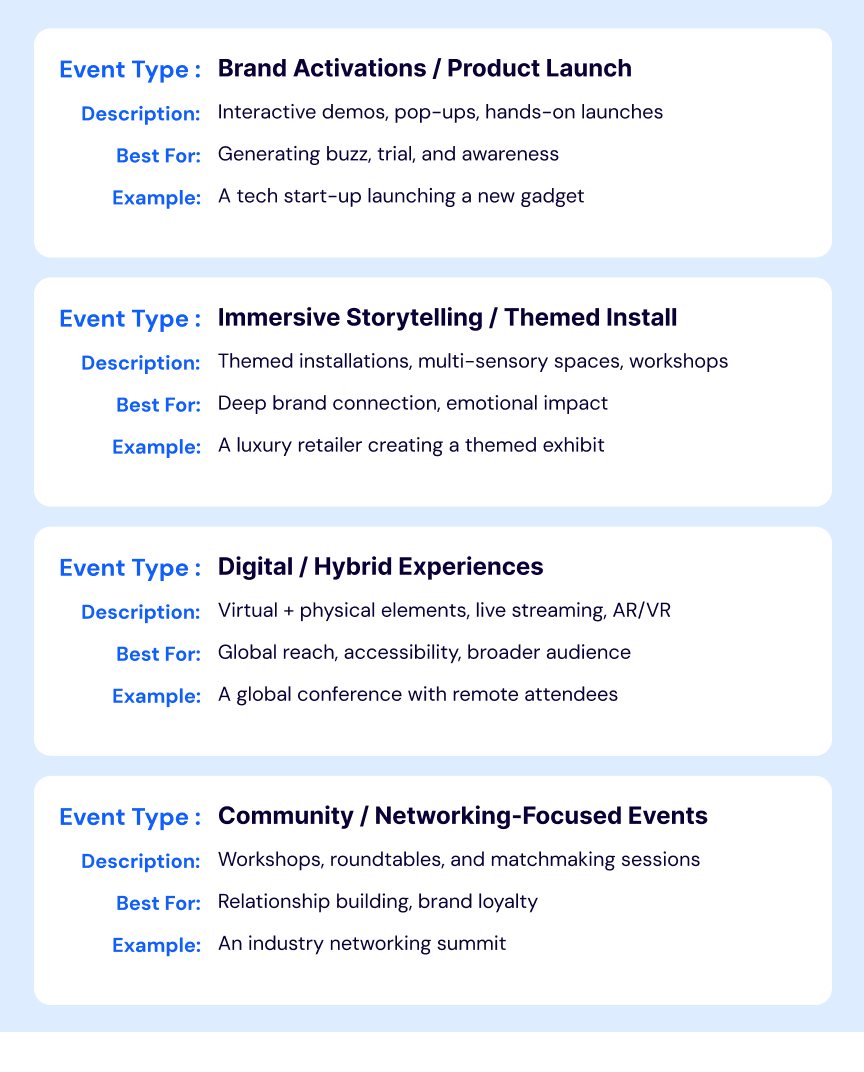
Experiential events come in multiple formats. Each of these formats is tailored to different goals, audiences, and engagement levels.
1. Brand Activations & Product-Launch Events
Brand activations put your product or service into the hands of your audience in memorable ways. These ways may include interactive demos, pop-up experiences, or launch events; all of which help generate excitement and drive trial. Such events are an ideal choice if you are launching a new product or service, or want to create immediate buzz about what you are offering.
2. Immersive Storytelling, Installation & Theme-Driven Experiences
These event formats play a crucial role in creating a comprehensive branded environment where attendees fully immerse themselves in the story. Such formats include multi-sensory installations, themed interactive spaces, and workshops, helping brands reinforce brand identity, deliver memorable impact, and build a deeper emotional connection with their audience.
3. Digital & Hybrid Experiences
Hybrid events blend physical and virtual participation to expand both reach and accessibility. With the use of technology like live streams, VR/AR components, and managing remote attendees alongside on-site guests, brands maximise engagement beyond the venue walls.
4. Community-Driven & Networking-Focused Events
Community- or networking-centered events are held to build connections between attendees and your brand, as well as among attendees themselves. Examples of such events include interactive workshops, roundtables, community meetups, or structured networking sessions. All these help build lasting relationships and peer learning rather than just broadcasting brand messages.
Examples of Experiential Events
Experiential events turn brand messages into lived experiences. Below are concrete examples that each highlight a distinct tactic for driving engagement, shareability, or measurable ROI.
1. BFGoodrich: KO3 Alaska Driving Experience
.jpg)
An example of a product launch event was the KO3 Alaska Driving Experience. To market their KO3 tires, BFGoodrich brought off-road influencers and avid drivers together for a rugged test drive in Alaska. This was the exact terrain for which their KO3 all-terrain tires were designed.
They documented the trip through video and social content to provide the audience with authentic proof of performance, thereby strengthening trust among their core, adventure-oriented audience.
2. Canon × RNIB: World Unseen

Canon used immersive storytelling to expand the brand’s purpose. It designed an inclusive experience by partnering with the Royal National Institute for Blind People. They created tactile photography exhibits with audio descriptions and innovative braille, transforming accessibility into a powerful brand story while educating sighted audiences.
3. Corona at the Paris Olympics
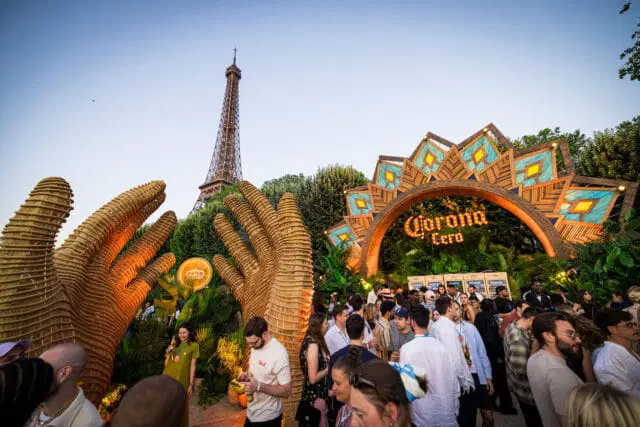
Corona at the Paris Olympics was a classic example of brand activation. Corona used high-visibility events and context-relevant activations to strengthen its presence during the Olympics. It transformed Paris landmarks into “golden moment” relaxation spaces, tying product use to cultural moments and athlete communities to earn attention beyond standard sponsorship.
4. Emergen-C Immune + Corridor at JFK
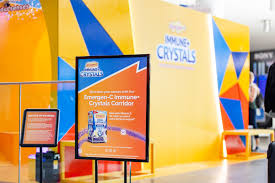
Emergen-C used immersive storytelling to target travelers who might be stressed or tired and interested in enhancing their immunity. So, they set up a relaxing “ASMR sensory tunnel” and rest areas in an airport. This was a unique example of choosing a venue where the audience already had a clear need. While people rested, they got free samples. This way, the product reached people, making them more likely to try it and share their experiences with others.
5. FX: Symphony of Screams
.jpeg)
FX used a themed install type and invited the audience to co-create marketing assets. For this, they installed “scream chambers” where participants recorded screams that were then mixed into a commercial track. This stunt helped increase media coverage and social sharing.
6. Nike & Dick’s: It’s Her Shot Tour

An example of a networking-focused event was “It’s her short tour”. To create programmatic tours that help build community and legacy, Nike and Dick’s ran mobile basketball clinics for girls, combining coaching, WNBA talent appearances, and local grants. Doing so made it easy for them to drive immediate engagement and long-term community investment.
7. LEGO × Pharrell: Build the Change
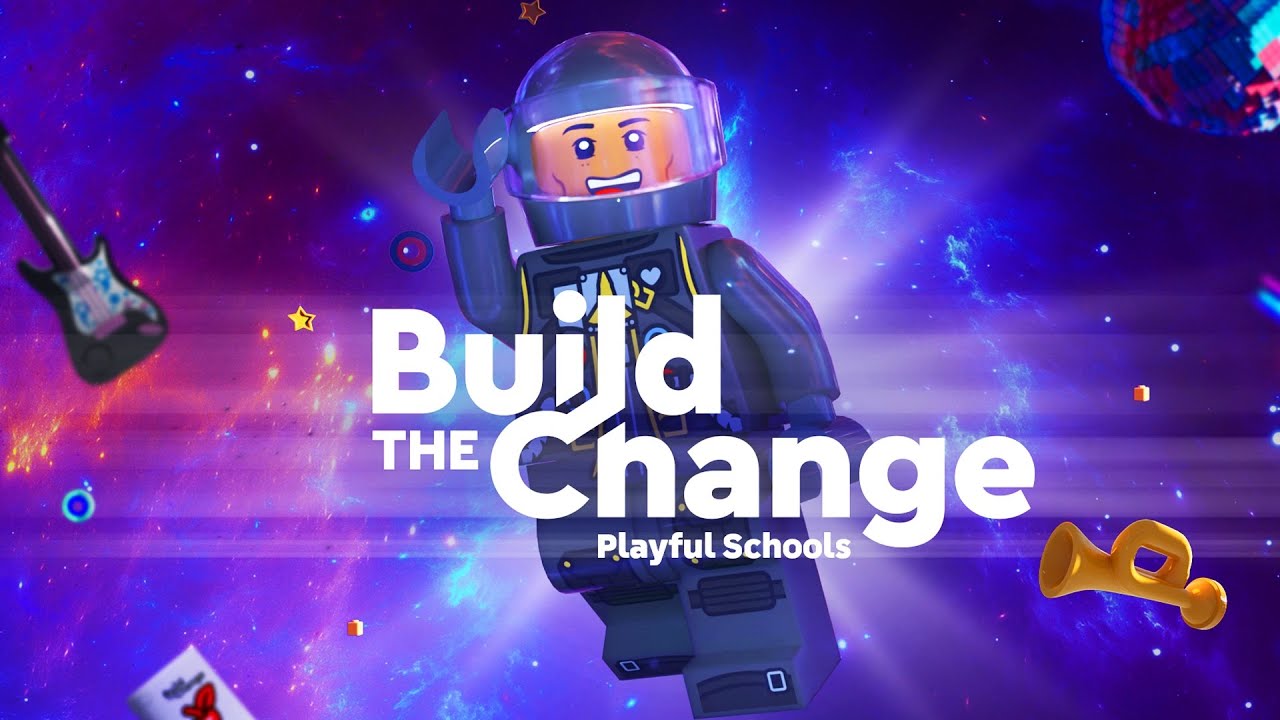
Lego set a classic example of turning creative prompts into user-generated campaigns using community events. Its sustainability challenge asked kids to design future schools, then amplified submissions online. This challenge, in fact, was a low-cost way to generate meaningful UGC and align the brand with social impact.
8. Qatar Airways: AI Short Film (Personalization)
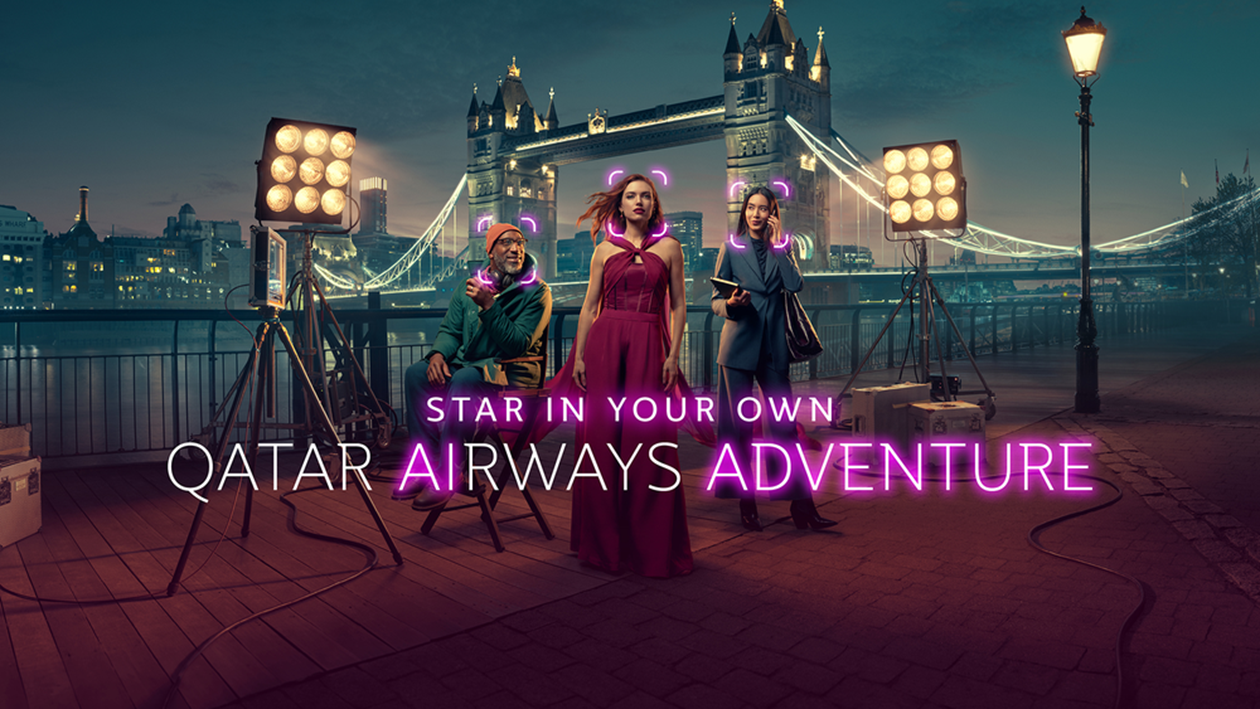
An example of a hybrid approach was Qatar’s AI short film. Qatar Airways utilized cutting-edge personalization to enable people to star in their own story. During their AI campaign, they inserted users’ photos into a short romantic travel film, creating highly personal shareable content that blends tech novelty with travel aspiration.
9. Modelo: Personalized Trading Cards
At a sports event, Modelo used a brand activation event type and installed a classic photo booth with collectable takeaways. This photo booth produced branded trading cards from fan photos, creating a nostalgic, shareable asset that increased dwell time and gave attendees a tangible keepsake to share digitally.
10. McDonald’s “McDonnell’s” Pop-Up
.jpeg)
McDonald's launched a dupe pop-up to test and showcase a new sandwich. It was a classic example of an experiential product launch event. This technique leveraged cultural trends to create playful press coverage, social content, and direct taste tests that drove buzz before the national rollout.
11. Supercell at Comic-Con: Themed Bathroom Stalls
Supercell used immersive storytelling and turned restroom stalls into game environments tied to player behavior (a cheeky nod to mobile play habits), turning mundane moments into memorable brand interactions with merch or giveaways nearby.
Effective Strategies for Planning Successful Experiential Events
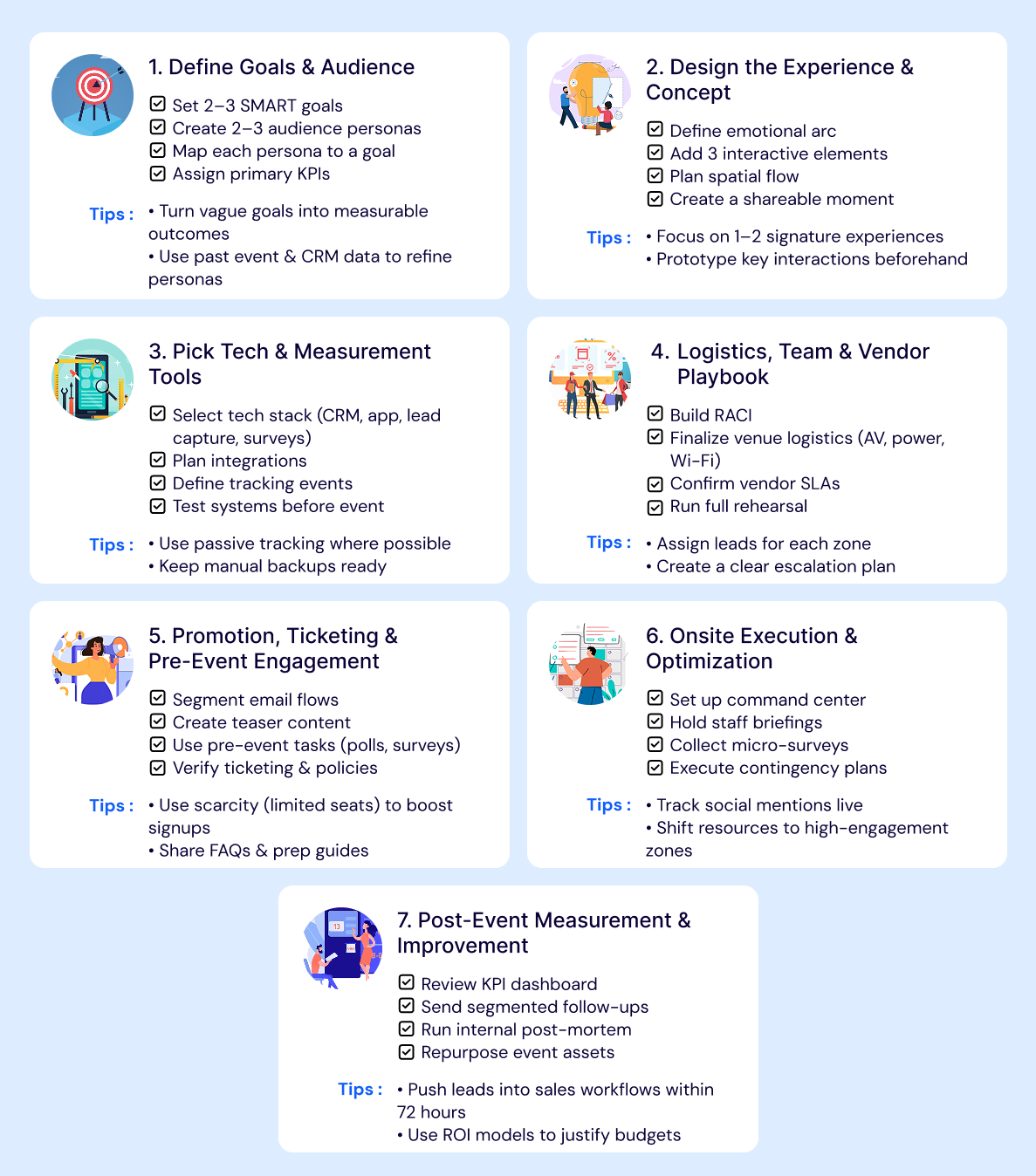
Following an efficient plan and well-worked strategies is essential for planning a successful event. Below are a few strategies to deliver experiences that hit business goals and help you scale:
1. Define Goals & Audience
Start by setting 2–3 SMART goals to drive format, creativity, and measurement. Next, define your target audience segments precisely. Doing so dictates tone, access, and activation style. Together, defining clear goals and audience means fewer last-minute pivots and a stronger ROI case.
Checklist
☑️ Write 2–3 actionable goals like 300 qualified leads, 20% increase in product trials, 40% satisfaction score.
☑️ Create 2–3 audience personas, like role, pain points, and preferred channels.
☑️ Map which goal each persona will help achieve.
☑️ Define the primary KPI for each goal.
Tips
- Translate vague aims, such as “raise awareness,” into measurable outcomes like “increase branded search volume by X% over 30 days”.
- Reuse past-event data and CRM segments to build accurate personas.
2. Design the Experience & Creative Concept
Next, you should turn goals into a tangible visitor journey. Decide what you want your attendees to feel, do, or share, and then design zones and activities to guide them toward that goal. Experience design helps bridge the gap between brand story and measurable action.
Checklist
Define desired emotional arc (curiosity → discovery → action).
☑️ List at least three interactive elements, such as a demo station, a photo moment, or a hands-on workshop.
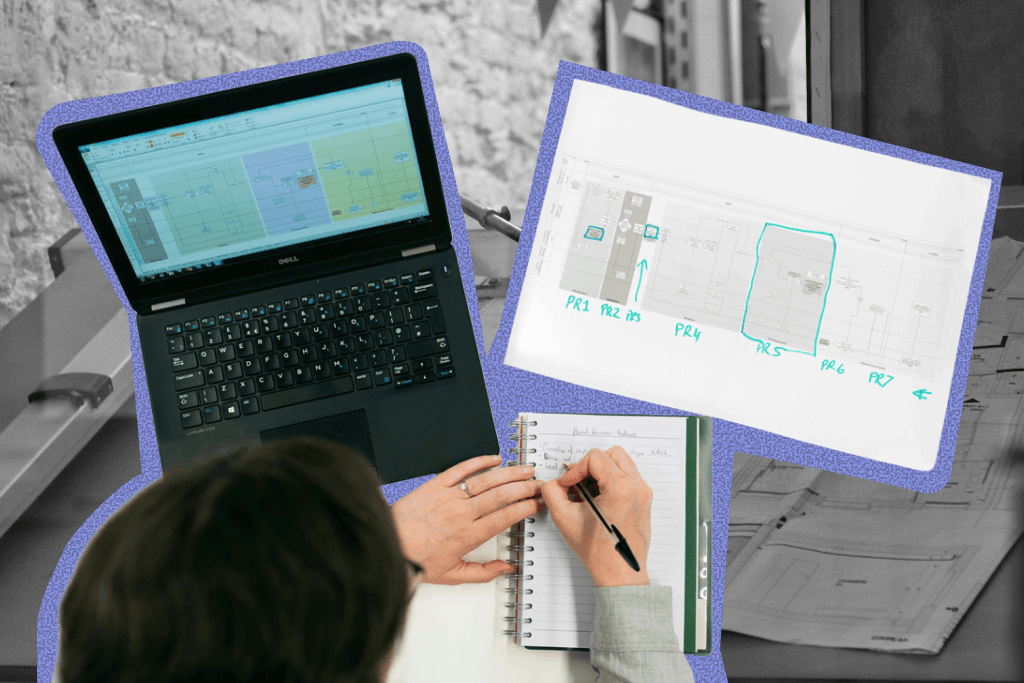
☑️ Sketch spatial flow to avoid bottlenecks and encourage dwell time.
☑️ Create a “shareable moment” concept, like a selfie wall.
Tips
- Prioritise one or two standout experiences rather than many small gimmicks.
- Prototype the primary interaction (paper mock, small pilot) to validate flow and timing.
3. Pick Tech & Measurement Tools
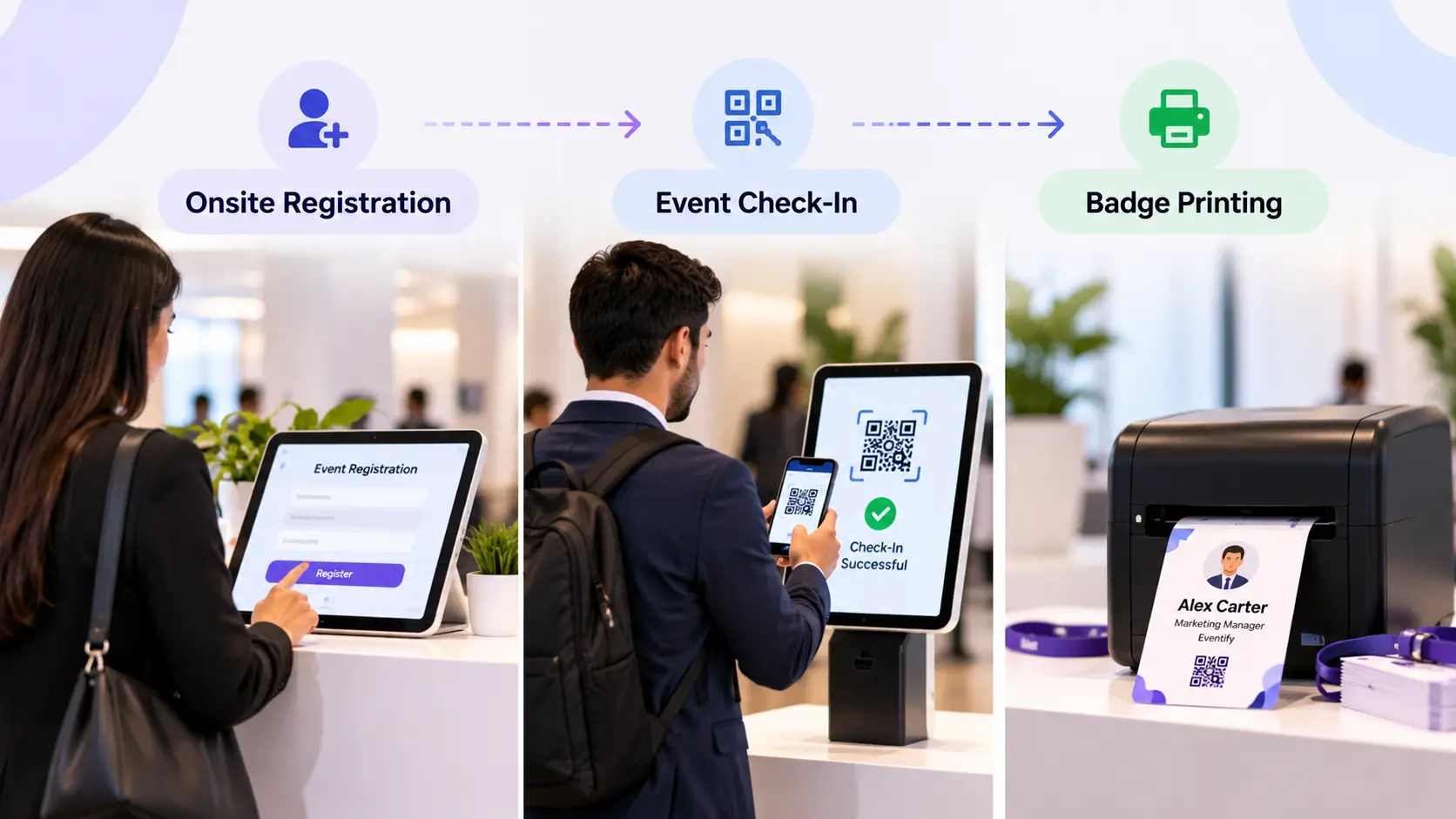
Ensure you select technology that supports both user experience and tracking, such as registration, mobile apps, wearables, and analytics. Additionally, measurement must be embedded from day one, and every touchpoint should be mapped to a KPI and its corresponding data source.
Checklist
☑️ Select core stack: registration/CRM, mobile app/platform, lead-capture, survey/feedback tool.
☑️ Plan integrations
☑️ Define tracking events, such as badge scans, dwell time, and demo conversions.
☑️ Test all integrations 2–4 weeks before the event.
Tips
- Use proximity tech for passive capture.
- Keep a lightweight backup, such as manual lead cards, in case of an outage.
4. Logistics, Team & Vendor Playbook
Operational and logistical excellence will help your event stand out. To ensure they are top-notch, build a RACI for roles, a detailed run-of-show, and vendor SLAs. Clear ownership reduces friction and preserves the audience’s emotional arc.
Checklist
☑️ Create RACI (who’s Responsible, Accountable, Consulted, Informed).
☑️ Finalize venue logistics, including load-in/out, power, AV, Wi-Fi, and sightlines.
☑️ Vendor SLAs.
☑️ Run a full tech and staff rehearsal 48–72 hours before the event.
Tips
- Assign a dedicated person to each central zone to maintain the flow and troubleshoot any issues that may arise.
- Build a clear escalation matrix for tech failures, medical issues, or safety incidents.
5. Promotion, Ticketing & Pre-Event Engagement
Drive the right attendees and prime them to participate using the right strategies. You can use segmented invites, sneak-peek content, and pre-event micro-missions to increase show-up and readiness to engage. You can also use tailored messaging for different groups. This will help you increase conversions and improve the quality of leads.
Checklist
☑️ Build segmented email flows.
☑️ Create pre-event social content & teaser experiences.
☑️ Offer pre-event tasks, such as survey and polls, to personalize onsite interactions.
☑️ Confirm the ticketing/payment flow, as well as transfer/refund policies.
Tips
- Utilize incentives, such as exclusive access and limited seating, to encourage early registration and minimize no-shows.
- Provide logistical FAQs and “how to prepare” guides to improve attendee readiness.
6. Onsite Execution & Real-Time Optimization
During the event, collect live data and be prepared to make real-time adjustments as needed. You can use the central command dashboard to monitor KPIs and command your team to make rapid fixes through radios and walkies. These small, quick fixes made during the event can significantly improve outcomes.
Checklist
☑️ Set up an operations command center with the dashboard.
☑️ Have daily briefings for staff and post-shift debriefs.
☑️ Capture attendee feedback with one- to two-question micro-surveys delivered in real time.
☑️ Execute planned contingencies quickly.
Tips
- Monitor social mentions in real-time and amplify user-generated content to maintain momentum.
- Reallocate resources to high-engagement zones during the event if needed.
7. Post-Event Measurement & Continuous Improvement
The event lifecycle ends with analysis and follow-up. Post-event, deliver reports mapping outcomes to original goals and feed those insights back into future planning. These closed-loop follow-ups help convert engagement into business value.
Checklist
☑️ Pull the KPI dashboard and compare it vs. the target
☑️ Send segmented follow-ups for thank you, event resources, or next steps
☑️ Conduct a post-mortem with suppliers and internal teams and document five things to keep or improve.
☑️ Turn event assets into evergreen content by making a video or writing a blog.
Tips
- Tie leads and engagement directly into sales workflows within 24–72 hours, while memory and intent are at their highest.
- Use an ROI model (cost vs. pipeline influenced/revenue) to justify future budgets.
How to Measure the Success of Experiential Events
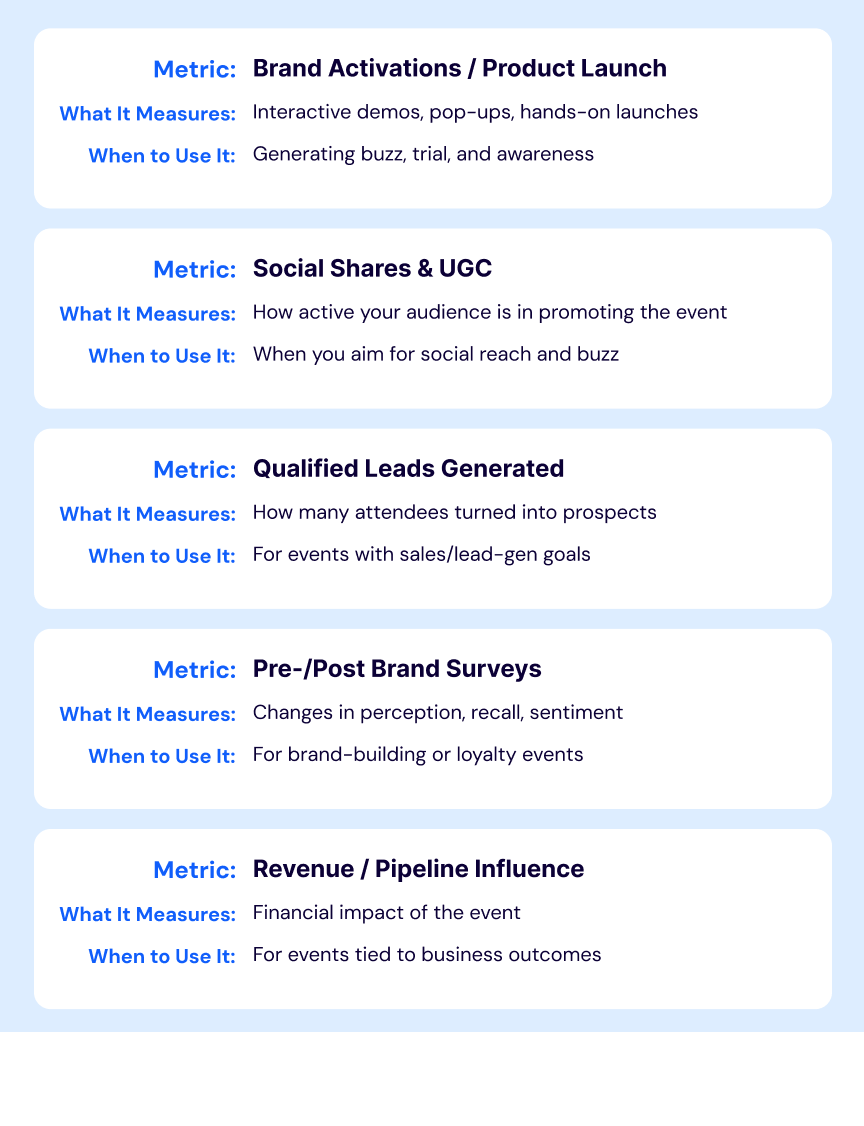
The success of experiential events doesn't solely depend on attendance. Instead, other factors, such as tracking how your audience engages, the actions they take, and outcomes like ROI, play a key role. A robust measurement framework enables you to learn quickly and demonstrate value. Below are a few key metrics to track:
- Attendee Behaviour: Note the number of attendees who checked in, the dwell time at key activation zones, and the number of interactions.
- Social Engagement: The use of hashtags, social shares, and content downloads reflects the excitement and value attendees found in the event.
- Leads & Conversions: Track the number of leads generated and the percentage that progress to the next stage of the funnel.
- Brand Perception: Pre- and post-event surveys will help you understand what attendees think of your brand.
- Financial Return: Calculate the actual revenue generated by both leads and attendees.
Plan a Successful Experiential Event With Eventify
Ready to turn your next event into a memorable brand moment? Eventify helps you navigate every step of hosting a successful event. From strategy to execution, it helps craft the right experience, measuring what matters, and driving real results.
Book a call today and plan the next big experiential event.
.png)