


Introduction
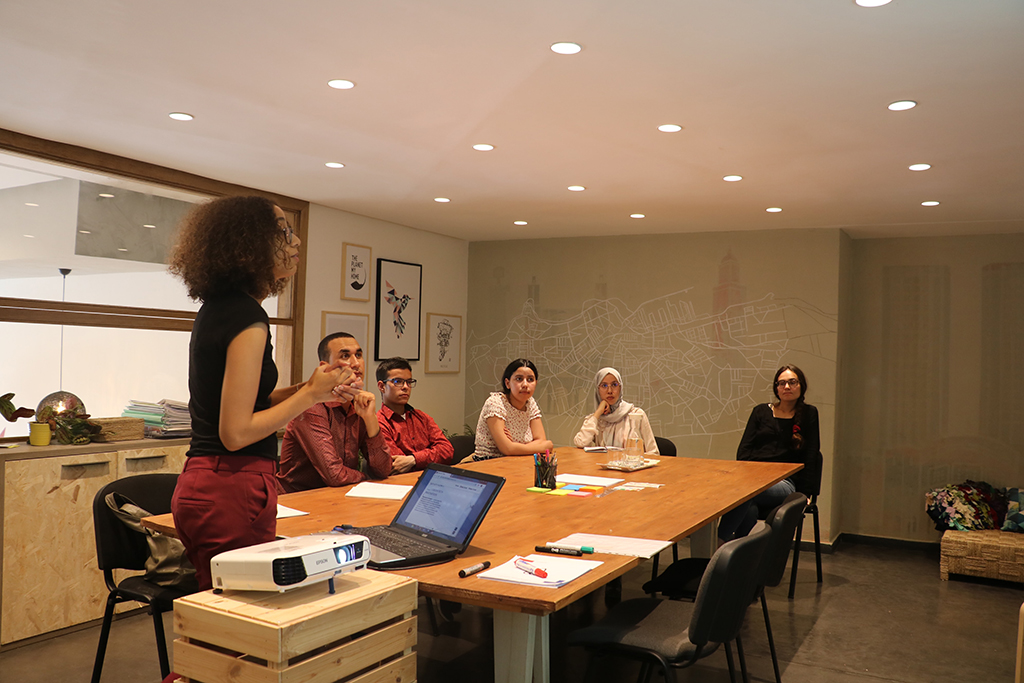
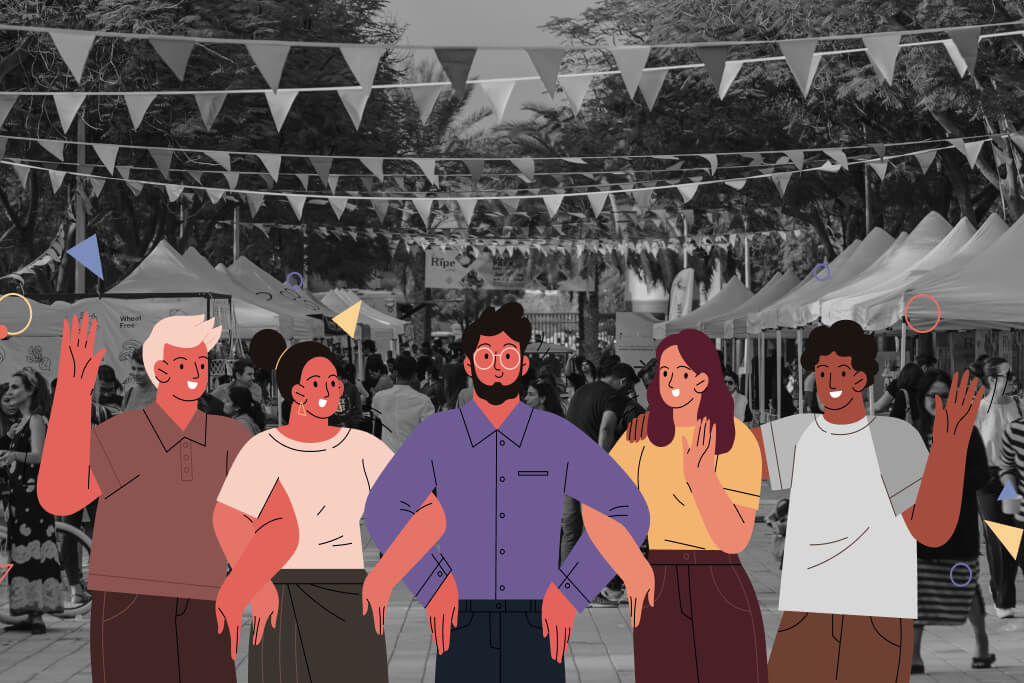
Community events aren’t defined by the size of the crowd, but by the quality connections they create. The most successful community events are those that turn strangers into friends and strengthen residents’ connection to the community. In a time when people crave belonging and togetherness more than ever, community events have the shared purpose of kindling these feelings.
So, how do you elevate your community events into something remarkable and powerful? How do you ensure participants find the emotional connections they crave? One thing to note is that a successful community event doesn’t happen by accident; it is the result of intentional efforts. In this article, you will find unique, creative and modern community event ideas that can inspire and bring people together like never before.
What are Community Events?
Community events are planned gatherings that bring people from a specific geographical area together to connect, learn, or take action on a shared issue. They can take many forms, ranging from cultural festivals to awareness campaigns, charity walks, book fairs, and food drives. They are non-commercial and focused on fostering connections rather than generating sales.
The main aim of community events is to build social capital, which includes the relationships and networks that allow a community to function well. This is done by fostering a sense of belonging and strengthening social connections among residents. Community events also create shared memories that make people feel seen, heard and valued.
Benefits of Community Events and Community Activities
Community events do a lot beyond entertaining; they inspire collective action and strengthen social ties. They are high-impact investments in the well-being and progress of residents. Whether hosted by places of worship, schools, community centres, non-profits, etc., community events foster wellbeing and build the entire community. Below are five benefits of community events;
1. Strengthen Social Bonds
Community events are necessary tools to prevent and counter social isolation, because they bring residents together for a shared purpose in a meaningful way. For instance, a neighbourhood cleanup or a block party allows residents to grow and connect beyond their daily routines. This social cohesion translates into increased mutual support and collective resilience, especially in times of crisis.
2. Promote Cultural Appreciation & Inclusion
More often than not, community events are platforms for showcasing different cultures and traditions. For instance, cultural food festivals or heritage days are means through which residents share their cultural music, cuisine and dance. This breaks social stereotypes and makes the community a richer and more welcoming place for all residents.
3. Driving Economic Growth
Well-organised community events often boost the economic growth of the community. More residents know and patronise local vendors, local vendors gain more visibility, businesses build long-term customer relationships and more money is injected into the community’s economy. Over time, this fosters economic resilience and encourages entrepreneurship in the community.
4. Promote Wellness and Active Lifestyles
Community events usually integrate sports and outdoor activities, which improve mental and physical health in the community. For instance, a charity walk or marathon encourages residents to be physically active and meet new people. This helps fight against chronic stress and mental health issues, making residents healthier and happier.
5. Encourage Civic Engagement
Community events force residents to be invested in their community’s growth. They serve as platforms where issues can quickly be spotted and resolved. For instance, a community arts project can turn into a collaboration between artists, residents, local businesses and youth groups. A press night for electoral candidates can increase interest in local governance issues, translating concerns into collective action.
29 Fun Community Event Ideas and Community Events examples
Community events can make all the difference needed to make a community function effectively. However, you need to choose the right events. It helps to consider the nature and diversity of your community to determine which community event fits best. For instance, if your community has a lot of young people, you want to invest in youth development activities. Below are 29 community ideas and community events examples you can easily execute;
1. Fun Fairs
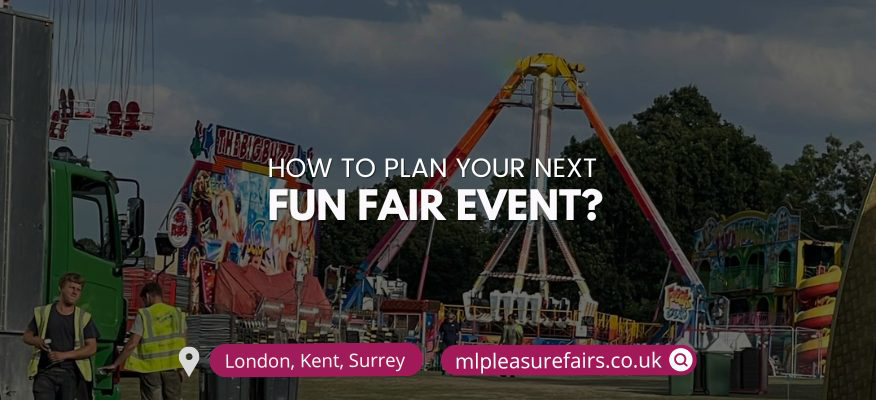
Fun fairs are outdoor events featuring a great deal of entertainment, food, games, etc., in a carnival-like atmosphere that appeals to people of all ages. They are popular and family-friendly, which explains why they pull a lot of the crowd. They also boost local businesses and become a thing community members look forward to every year.
How To Host?
- Use a central park or reserve a street after securing the necessary permits.
- Source everything locally - the food, entertainment, games, etc.
- Recruit local vendors.
- Set up kid-friendly zones where children can freely and safely have fun.
- Promote the fun fair online and offline for a high turnout rate.
Real Life Example
2. Walkathon
A walkathon or fun run is a great way to engage your community mentally and physically, while raising money through pledges and entry fees to do something for the community. Asides promoting wellness, the walkathon also helps community members to achieve their personal goals and expand their social capital.
How To Host?
- Make it inclusive; participants can jog, walk or run.
- Choose a pre-measured route and secure the necessary permits.
- Set the entry fees.
- Organise your team members to handle safety checkpoints.
- Prepare first aid, refreshments and certificates for all participants.
- Encourage community members to come out to cheer their loved ones.
Real Life Example
3. Open Mic Nights

Open mic nights are entertainment events that unite music lovers and provide a platform for artists to perform. They can also serve a philanthropic cause or purely for entertainment and social cohesion. Open mic nights are highly flexible, as they can be held in a small indoor space or a large outdoor park.
How To Host?
- Secure an accessible venue and put the call out for local performers.
- Set up sound systems and coordinate the seating.
- Use an event app like Eventify for ticketing, registration and check-in.
- Decide whether it is going to be free or paid, and what the money will be used for, if paid.
- Promote the event heavily on social media and in stalls, markets and shops.
Real Life Example
4. Community Mural Projects
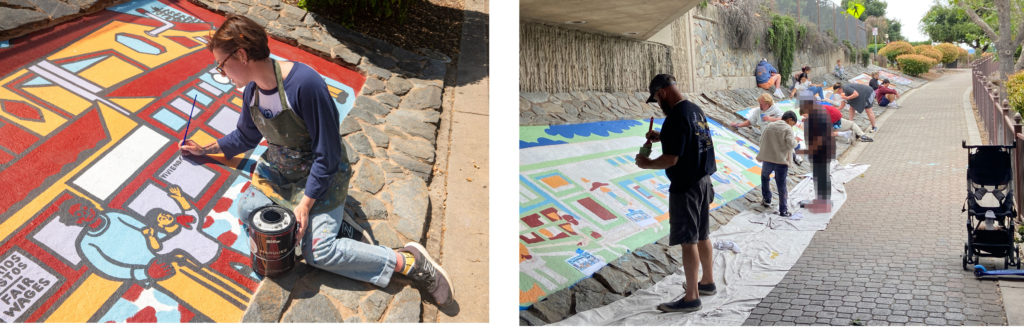
Community mural projects bring together local artists and residents to create a large-scale painting to beautify public spaces. These mural projects often reflect the community’s aspirations and values and foster a sense of unity and pride among participants. The final artwork is always displayed on a wall in a public space.
How To Host?
- Work with local artists, schools and youth groups.
- Choose a wall in a public space and secure the right permission to paint on it.
- Before starting the mural painting, run workshops where volunteers learn how to paint first.
- Provide enough painting materials and guidance to make everyone feel involved.
Real Life Example
5. Community Clean-Up

An environmental clean-up allows residents to pick up litter from public spaces such as beaches, streets, parks, etc. This makes the community more visually appealing, reduces pollution, which can harm wildlife, and fosters unity and friendship among neighbours. Clean-ups are one of the low-budget but high-impact community events that leave a lasting impression.
How To Host?
- Choose a location such as a park or beach and mobilise residents to come out.
- Set the time during the day to encourage high turnout.
- Supply trash bags, gloves, cleaning kits and recycling stations for volunteers.
- Recruit volunteers from schools, youth groups, neighbourhoods, etc.
- Provide light refreshments for volunteers after the cleanup to show appreciation.
Real Life Example
6. Outdoor Movie Nights

Outdoor movie nights turn public spaces into cinemas that activate social bonding between community members. Locals can come together to relax, meet new people, rekindle old friendships and enjoy local cuisine at discounted prices. Outdoor movie nights are an inexpensive but great way to gather the neighbourhood together.
How To Host?
- Use a large inflatable screen or a public wall to project the movie.
- Look for gripping movies that will set the tone for an enjoyable night; you can ask community members to weigh in on your choice.
- Obtain the necessary permits.
- Start the movie night after sunset for a great viewing experience, and tell members to bring their own chairs and blankets.
- Recruit one or two food vendors to provide food and drinks.
Real Life Example
7. Outdoor Live Music Concert
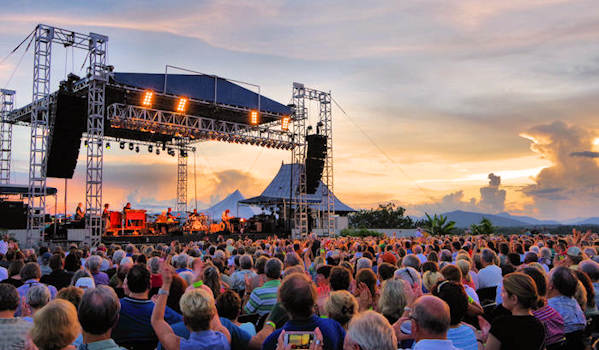
Organise free live performances in parks or public spaces. Good music is a unifier of communities. Invite local bands, musicians or musical talents to serenade listeners at the concert. Let it be after sunset and tell listeners to come with their chairs and blankets. Ensure the venue is accessible so that people with disabilities can also enjoy the night.
How To Host?
- Secure portable sound systems and a public space.
- Invite musical talents and inform them to prepare ahead of the concert.
- Make it open to as many groups as possible - schools, youth groups, local bands, etc.
- Also, secure one or two food trucks for light refreshments and drinks.
Real Life Example
8. Tree-Planting

Asides fostering social cohesion, tree planting is an impactful environmental activity that provides ecological benefits. This helps improve air quality, beautifies the environment and fights climate change. It is also a great way to involve children in protecting the environment.
How To Host?
- Partner with a nonprofit or local forestry organisation to secure the space and source native tree seeds.
- Choose the time when both adults and children will be available.
- Organise volunteers and guide them on how to take care of the trees after planting.
- Supply the planting trees and gloves.
Real Life Example
9. Skills Development Workshop

Skills development workshops equip community members with knowledge and skills that can boost employability and enterprise. These skills can range from vocational training, such as automobile repair, to tech skills, such as coding. Skills development workshops are highly beneficial in communities with a high number of young people.
How To Host?
- Identify skills that are in high demand in the job market or community.
- Recruit expert and enthusiastic trainers to facilitate the workshop sessions.
- Promote the event heavily - on social media and public spaces - for a high turnout rate.
- Secure the right venue and provide light refreshments.
- You can charge a small fee to cover running costs.
Real Life Example
10. Neighbourhood Block Parties
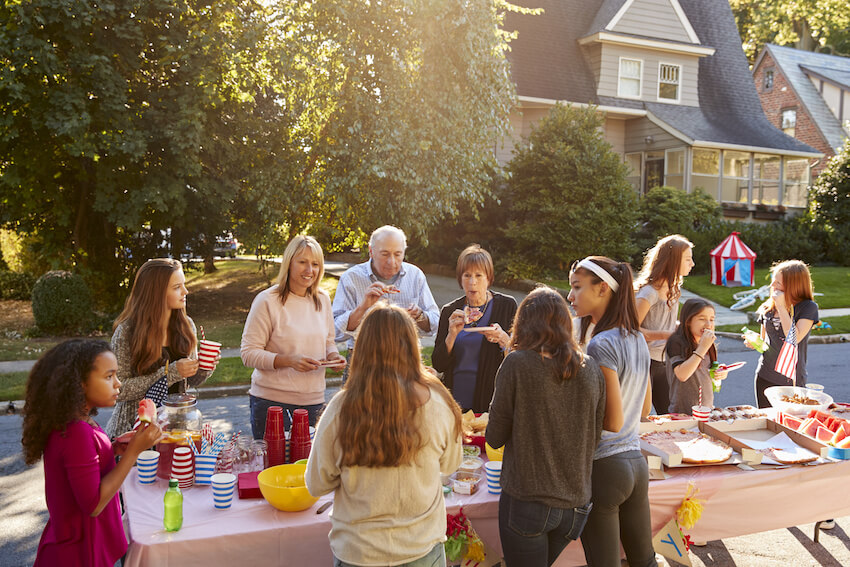
Neighbourhood block parties are outdoor activities where neighbours meet each other. They are usually small, intimate gatherings with shared responsibility. Each person brings something or pays a small fee. Also, they usually hold on the weekends, when most families are off work.
How To Host?
- Inform the neighbours in the selected blocks.
- Let everyone weigh in on the day, time and venue so you can have a high turnout rate.
- Get one or two local food vendors, or make it a potluck and have everyone bring something.
- Invite local musicians or bands, or set up sound systems and play great music.
- You can also set up games and treasure hunts for the kids.
Real Life Example
11. Cultural Food Festivals
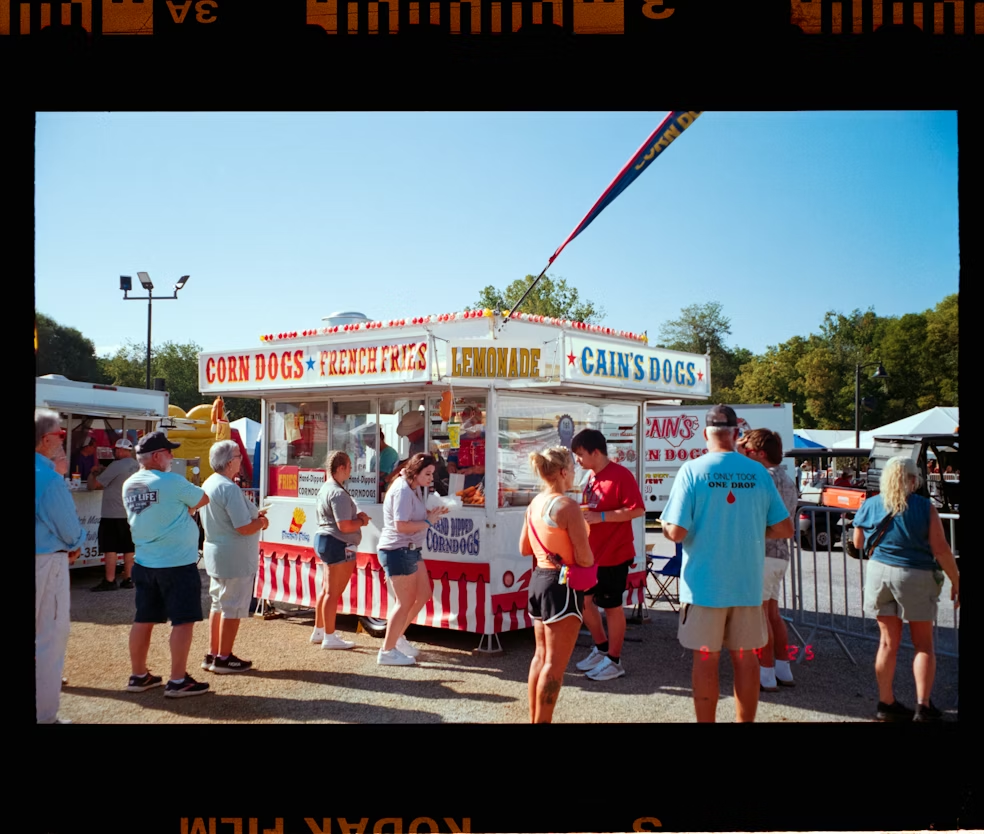
Cultural food festivals are events that celebrate the diverse cuisines in a community. It brings together local chefs, food trucks and home cooks to cook unique delicacies for the community to enjoy. It promotes cultural exchange and appreciation, as well as serves as a great way for local food entrepreneurs to gain exposure and customers for their food businesses.
How To Host?
- Reach out to cultural organisations and local restaurants to ensure diverse cultures are represented.
- Get a venue with a space big enough to sit the crowd and contain the food stalls.
- You can set a small entry fee or allow the exhibitors to set the prices for their food.
- Prepare cultural performances to complement the food.
Real Life Example
12. Museum Nights
.jpg)
Many people have never explored their communities due to work or other commitments, but organising a museum night is a good way to change that. Residents can rediscover and appreciate the landmarks in their community, strengthening their connection to the community. Museum nights also help to educate new residents about the community and give more visibility to local businesses.
How To Host?
- Identify museums in your communities or surrounding ones and set the day and time.
- You can partner with local museums or simply look for one that organises sightseeing and mobilise your community members to the venue.
- Prepare light refreshments and drinks alongside.
Real Life Example
13. Tourist-in-your-own-community
.jpg)
Many communities have historic landmarks that residents have not explored, hence organising a tourist-in-your-own-community event is a good way to get residents to appreciate the beauty of their community. This discovery can lead to further amazing ideas, such as making the community a tourist attraction and using the income to fund community projects.
How To Host?
- Identify key attractions and unique local businesses in your community.
- Work with local historians or city council staff to design information cards about these attractions.
- Choose the day and time when most residents will be available and arrange for light refreshments and drinks during the explorations.
Real Life Example
14. Community Gardening Day
.jpg)
A community gardening day brings residents together to beautify public spaces and promote environmental awareness. It also strengthens intergenerational connections, as children, youths, and adults can participate in taking care of community gardens.
How To Host?
- Identify the public gardens in your community and diagnose what is wrong with them.
- Get the necessary supplies - seeds, fertilisers, gardening tools, soils, water, etc.
- Organise volunteers and partner with local environmental groups to guide volunteers.
- End with group photos and light refreshments for all volunteers.
Real Life Example
15. Local Business Fairs
.jpg)
Community business fairs bring together local vendors to sell their goods, which directly supports economic growth. Also, local businesses can showcase their products and gain collaborations and partnerships that enable them to expand. It also encourages residents to buy within their local community and support local businesses.
How To Host?
- Choose a venue that is large and accessible.
- Invite as many local vendors to participate in the business fair.
- You can also get a couple of business experts to train business owners on specific skills that can move their businesses forward.
- Promote the fair widely to attract buyers from other communities.
- Arrange for food and entertainment so attendees can stay longer.
Real Life Example
16. Art Walk

An Art Walk is an avenue for local artists to showcase their work while residents explore the creative spaces. This event transforms communities into lively cultural centres featuring sculptures, crafts, paintings, etc. It also promotes emerging artists, helps communities build a cultural identity and fosters tourism.
How To Host?
- Collaborate with local artists, galleries and independent artists.
- Choose a suitable venue and time for the art walk.
- Arrange entertainment, lighting and light food to encourage high turnout.
- Also, encourage attendees to support exhibitors by buying a piece of an artwork.
Real Life Example
17. Community Fitness Activity

A community fitness bootcamp is designed to help residents stay active while maintaining bonds with one another. It is high-energy and often takes place outdoors. It also reduces stress and serves as a good alternative to sedentary habits.
How To Host?
- Secure a public gym and partner with certified gym instructors and trainers.
- If there’s none, secure an open space such as a park or field and partner with certified gym trainers to guide participants.
- Provide lively entertainment and water to create a relaxed atmosphere and encourage more people to join.
- Ensure a first aid box or safety personnel are available in case of injuries.
Real Life Example
18. Community Potluck
.jpg)
Community potlucks are one of the cheapest, simplest and most effective ways to strengthen community bonds. It requires each participant to bring their delicacies and share them with others. Asides going home with full stomachs, attendees also get to experience other cultures and cuisines while building relationships.
How To Host?
- Choose a venue such as the community pavilion or a park.
- Ask participants to sign up using an event app such as Eventify and to indicate what type of dish they are bringing.
- You want diversity of foods as much as possible.
- Encourage participants to also bring handwritten or printed recipes, so they can exchange with others.
Real Life Example
19. Mentorship Program
.jpg)
Mentorship programs are structured initiatives that connect professionals and experienced individuals with individuals seeking personal or career guidance. It sets up the community for success by facilitating knowledge transfer and relationship building. The success often depends on how seriously the mentors and mentees take it.
How To Host?
- Have focus areas for the mentorship and identify and recruit mentors and professionals who can help.
- Promote the program on social media and offline through word of mouth, physical fliers, etc.
- To make it more effective, organise a networking event for the mentors and mentees to meet before sessions start.
- Use an application process to pair people together and integrate technology.
Real Life Example
20. Storytelling Festival

A storytelling festival is a space where residents can share their stories, history, cultural experiences, etc., with others. These festivals often take place in culturally diverse areas where stories can foster empathy and unity. These stories can take many forms, such as spoken words, poetry, narratives, historical tales, etc.
How To Host?
- Choose an indoor or outdoor venue and provide a stage with good acoustics. Invite residents and storytellers from all groups.
- Provide lights for ambience, portable sound systems and seating.
- Promote the event on social media and through museums, libraries, schools, cultural centres, religious centres, etc.
- Create different themes to fit the stories into; this helps people.
Real Life Example
21. Craft Show and Workshop
.jpg)
A craft show and workshop is an opportunity for local artisans and interested individuals to showcase their handmade creations and hobbies. This initiative not only fosters creative expressions but also enables residents to learn skills from their peers. These creative expressions can range from pottery to playing musical instruments.
How To Host?
- Set the date and time and secure a venue for the craft show.
- Ensure most of the residents are available on the set date.
- Invite local artists and hobbyists and promote the event heavily to attract young people and craft buyers.
- Include a couple of free DIY workshops for attendees.
Real Life Example
22. Cultural Dance Festival
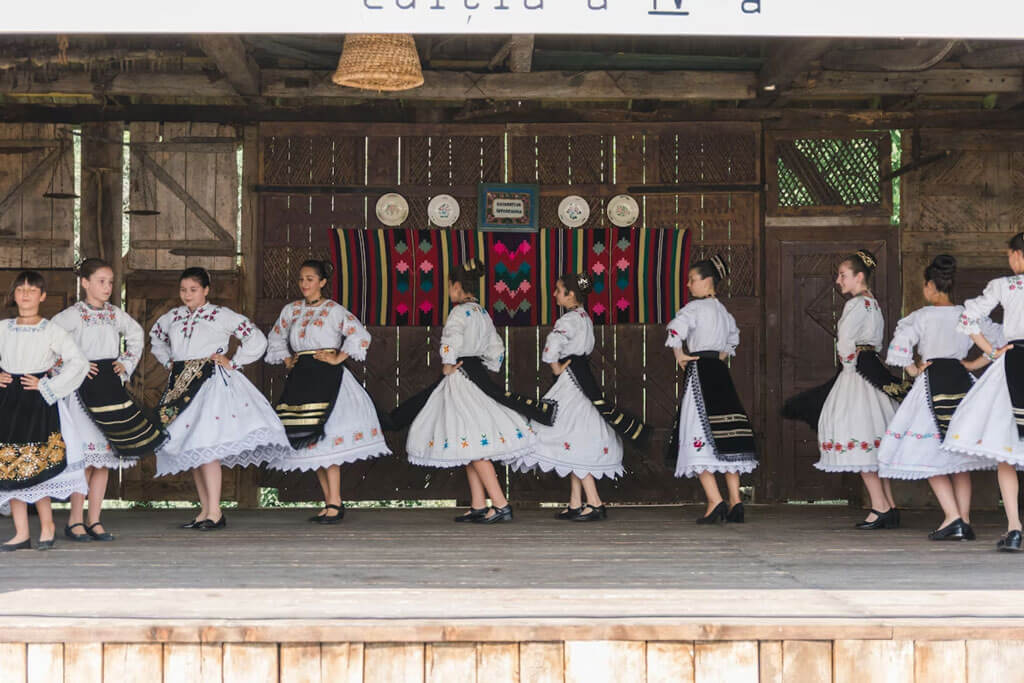
A cultural dance festival showcases the diverse artistic and cultural talents in a community. It is both entertaining and educational as it celebrates the different cultures that make up a community. It also fosters cultural pride and mutual respect.
How To Host?
- Choose an open area suitable for high-energy performances.
- Invite residents from different cultural backgrounds to showcase their unique cultural history.
- Encourage residents to invite people from neighbouring communities to partake in the fun too.
- Ensure you appreciate the performers.
Real Life Example
23. Carnival
.jpg)
A carnival is a high-energy event with food, games, family-friendly entertainment, high spirits, cultural showcase, etc. It is usually held during the holidays, such as summer breaks. It features activities such as raffle draws, face painting, and dancing competitions, among others.
How To Host?
- First, you need a large venue that can contain the crowd and the various activities at the carnival.
- Also, partner with local food vendors and business owners to exhibit during the carnival.
- Choose a fun and fitting name for the carnival that matches the season.
- You can make it free or charge a discounted entry fee.
Real Life Example
24. Yoga Classes
_(1)-900x601%20(1).jpg)
Hosting free yoga classes creates an opportunity for community residents to practice mindfulness and physical wellness. It removes the cost associated with practising yoga, especially if you organise it in a free space like a public park. It also encourages new people to experience the benefits of yoga.
How To Host?
- Secure a public park and collaborate with a yoga instructor to guide residents.
- Ask participants to come with their own mats and water.
- Choose the date and time that most people will be available, preferably on a weekend during the cool of the day.
Real Life Example
25. Innovation Fair
.jpg)
In communities with a teeming youth population, innovation fairs introduce youths to emerging technologies and tools that shape the world of work. They also bridge the digital literacy gap in most communities. They equip students with STEM capabilities while empowering adults with entrepreneurship and digital skills.
How To Host?
- Partner with community groups, local tech companies, youth groups, innovation centres, etc.
- Secure a venue with the resources you need, such as Internet connection, computers, VR headsets, etc.
- Invite innovators and founders to share insights with participants. Recruit trainers to guide participants as well.
- You can charge a small fee to cover refreshments and other basic costs.
Real Life Example
26. Sports Day
.jpg)
Sports Day brings together all residents regardless of their socio-economic differences to participate in friendly competitions. Activities could range from relay races to football matches, tug-of-war and table tennis. Beyond encouraging active lifestyles, sports day also fosters teamwork among community members.
How To Host?
- Secure a space big enough, such as a public park or a big school field.
- Set up a team that you can delegate tasks to.
- Map out different activities for different age groups.
- Recruit volunteer healthcare professionals to provide first aid treatment in case of injuries.
- Provide music, water and light refreshments.
- You can also spice things up by getting a commentator.
Real Life Example
27. Science Fair
.jpg)
What better way to foster curiosity and hands-on learning among students than a science fair? Community science fairs are avenues for young people to learn about the benefits of pursuing careers in science and technology, and the opportunities available. If well-organised, science fairs can intellectually stimulate the whole community.
How To Host?
- Set up a team for efficiency.
- Partner with local researchers, tech startups and nonprofits championing STEM education.
- Also, reach out to schools, youth groups, community centres, etc., to mobilise their kids to participate in the fair.
- Have different categories of activities for different age groups.
- Include simple physical activities like solar kits, robotics demos, etc.
Real Life Example
28. Reading Picnic

A reading picnic encourages community residents to cultivate the habit of reading. Attendees can exchange books at no cost, and children can partake in storytelling sessions. If done right, it can become a ritual everyone in the community looks forward to.
How To Host?
- Choose a public park or a cool open space for the picnic.
- Provide different genres of books.
- Encourage attendees to also come with books to exchange as well.
- Make arrangements for refreshments, mats and canopies, if it’s a sunny season.
- Partner with schools and book clubs for a high turnout.
Real Life Example
29. Repair Cafe
.jpg)
A repair cafe is an initiative whereby residents bring together broken household items and fix them, instead of throwing them away. Asides promoting sustainability, it helps residents share skills among themselves and save the cost of repair. It also strengthens intergenerational dialogue as older, more experienced members can share their knowledge and skills with the younger ones.
How To Host?
- Get an enclosed, ventilated space like a community hall with power sources.
- Prepare materials such as tools, tables, safety kits, etc.
- Recruit volunteers skilled in different activities to guide attendees through the repairs.
- Encourage attendees to learn and practise what they have learnt.
Real Life Example
Tips To Organise Community Events
Organising community events that achieve their intended purpose and leave a lasting impression requires planning, quick action and clear communication. Whether the goal is to rally the community together behind a civic cause or get involved in outdoor activities that improve wellness, the tips below will help you create a highly impactful event.
1. Have a clear purpose
Every successful community event begins with a clear purpose. Why are you organising the community event? Who is your audience? Having clear answers to this can help you with messaging and programming. For instance, if you want to strengthen physical and mental well-being, you could prioritise charity walks, games and exercises. A clear purpose helps you design an event that resonates with your community members.
2. Build a team
You can’t plan a successful community event all by yourself. You need a solid team with the excitement, energy and structure. Find volunteers or stakeholders who can take ownership of different tasks needed for the community event. Assign roles to relevant people and tasks with deadlines. And always be ready to show appreciation for giving their time and energy. A ready team will ensure nothing falls through the cracks.
3. Choose the right time and venue
Understandably, not everyone in the community will be available at the same time, but you can get a good number of people if you choose the right time. Consider accessibility, safety, comfort and transport. For instance, choosing a community park on a cool weekend makes it easier for families to come around with their children. An accessible place will encourage people with disabilities to attend the event. The right timing and venue can significantly boost your attendance and engagement rates.
4. Use technology
Utilise technology at every point of planning and preparation. Instead of allowing people to stand in long lines to register, use an event app like Eventify that provides seamless registration, ticketing and check-ins. Also, promote the event using both offline and online strategies. Promote the event on Instagram and put up physical fliers in local stores. The more you diversify your reach, the more you reach a diverse audience.
5. Prepare contingency plans
No matter how smooth your planning is, things can go wrong. You should anticipate failure and have backup plans for everything. What if the weather fails? What if there is a technical issue? What if there are emergencies you did not prepare for? For instance, if you are planning an outdoor activity, you may want to get an indoor space for when the weather changes. Having backup plans builds trust with the community members and prevents disruptions.
Organise Your Community Event Using Eventify
Planning a successful community event requires clarity, structure and smooth coordination, which Eventify provides. Eventify is an all-in-one event management platform that streamlines the entire community event planning process. Whether you are planning a charity walk, cultural festival or outdoor activities, Eventify helps you manage registrations, scheduling, ticketing, attendee engagement, and volunteer coordination all from one dashboard.
It offers real-time updates and advanced features that allow organisers and employees to enjoy a seamless event. Eventify also allows you to scale your community events, from small gatherings to nationwide events. If you want to make a difference with your next community event, plan with Eventify.
.png)